
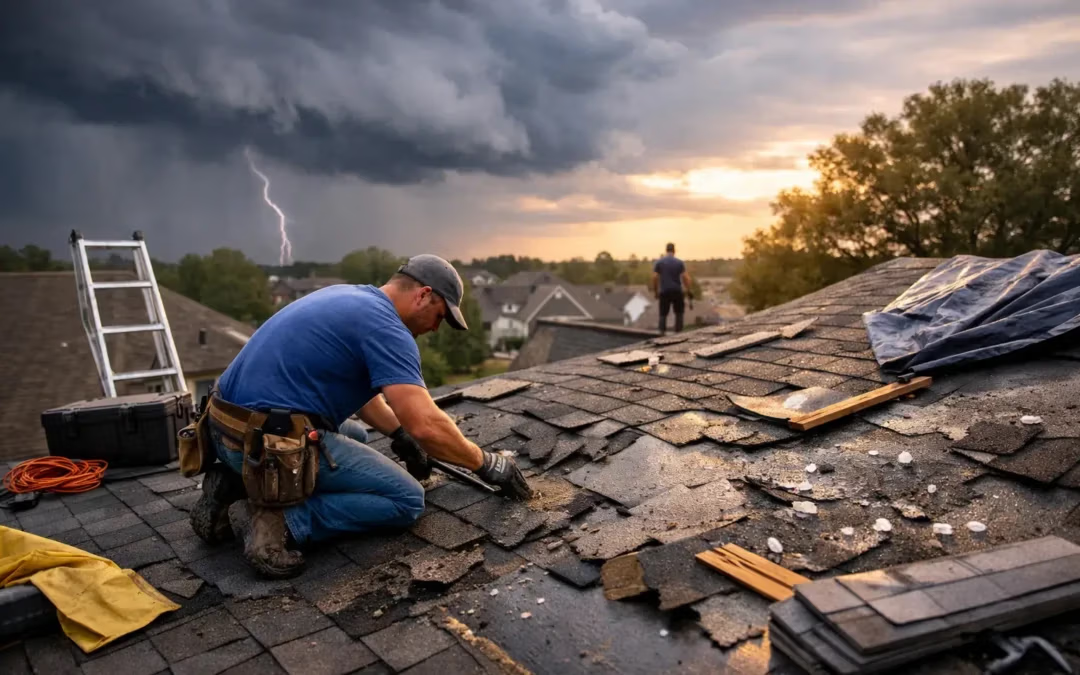
One hard North Texas storm can leave more damage than most property owners realize. Hail may bruise shingles without tearing them off. Wind can lift flashing just enough to let water in later. That is why storm damage repair should start with a careful inspection, not a guess from the ground.
When a roof takes a hit, time matters, but so does judgment. Some damage needs immediate tarping and emergency service. Other issues are less obvious and can wait a short time for a full evaluation. The key is knowing the difference so a small problem does not turn into interior damage, mold, decking rot, or a denied insurance claim.
What storm damage repair really includes
A lot of homeowners hear the phrase and think only about replacing a few shingles. In reality, storm damage repair can involve several parts of the roofing system. Shingles, ridge caps, vents, flashing, underlayment, decking, gutters, and even attic ventilation may all need attention depending on the storm.
Hail damage often shows up as granule loss, soft impact marks, cracked shingle matting, or damage to metal components. Wind damage can break seals, crease shingles, or pull materials loose along ridges and edges. Heavy rain exposes weak spots that may have been developing for years. Fallen limbs can create obvious punctures, but they can also shift structural components in ways that are not visible from the driveway.
That is why a proper repair scope should be based on an on-roof inspection and a clear understanding of how the full system is performing. A patch may be enough in some cases. In others, partial replacement or a full roof replacement is the smarter long-term choice.
Signs your roof may need storm damage repair
Some warning signs are easy to spot. Others are not. If you see shingles in the yard, dented gutters, ceiling stains, water around vents, or pieces of flashing out of place, your roof should be checked right away.
Less obvious signs tend to show up days or weeks later. You may notice a musty smell in the attic, paint bubbling on interior ceilings, or small leaks during the next rain instead of the original storm. Hail can shorten roof life even if you do not see water inside immediately. That delayed damage is one reason many homeowners wait too long.
Age also matters. An older roof is usually less forgiving after a storm. Materials that were already worn may not hold up after high winds or repeated hail. In those cases, repair may still be possible, but only after someone determines whether the surrounding materials are sound enough to support it.
Why quick action matters after a North Texas storm
North Texas weather does not usually give roofs much recovery time. One storm can be followed by another in the same week. If flashing is lifted or shingles are compromised, the next rainfall can drive moisture beneath the surface and spread damage into insulation, decking, and interior finishes.
Quick action also helps with documentation. If you plan to file an insurance claim, it helps to have the roof inspected while the storm event is still recent and the evidence is easier to verify. Waiting too long can create questions about whether the damage came from one event, long-term wear, or lack of maintenance.
That does not mean rushing into the first proposal put in front of you. It means getting a dependable inspection, taking steps to prevent further damage, and making decisions based on clear information instead of pressure.
The inspection is where good repair decisions start
A solid inspection should go beyond surface-level observations. The roofer should examine the roof covering, soft metals, flashing details, penetrations, valleys, ridges, drainage paths, and visible attic conditions if needed. Photos matter. Clear notes matter. So does honesty.
Not every storm-damaged roof needs a full replacement. Homeowners deserve to hear that when repair is the right answer. On the other hand, not every roof can be responsibly patched and left alone. If damage is widespread, if matching materials are a problem, or if underlying components have been affected, a broader scope may save money and frustration over time.
This is where experience counts. A seasoned contractor can tell the difference between cosmetic wear, functional storm damage, and older issues that a storm simply exposed.
Storm damage repair and insurance claims
For many property owners, the insurance process is almost as stressful as the storm itself. There is paperwork, adjuster scheduling, photo documentation, scope reviews, and questions about deductibles and code requirements. A good roofing contractor helps bring order to that process.
That support should never feel like a sales trick. It should feel like practical guidance. You want a contractor who can document damage clearly, explain the repair scope in plain language, and communicate professionally with your adjuster when needed. That kind of support can make a real difference, especially when the claim involves more than a few visible shingles.
It is also important to understand that insurance does not automatically pay for everything. Coverage depends on your policy, the cause of loss, roof age, and the condition of the roof before the storm. Sometimes the claim supports repair. Sometimes it supports replacement. Sometimes there are items that remain the owner’s responsibility. Straight answers matter here.
Repair or replace? It depends on the roof
This is one of the most common questions after a storm, and there is no one-size-fits-all answer. If the damage is isolated and the surrounding roof system is in good shape, repair is often the most cost-effective path. If the damage is widespread, the roof is nearing the end of its service life, or matching materials are no longer available, replacement may be the better value.
Commercial properties add another layer. Flat and low-slope systems can hide storm damage in seams, membrane punctures, flashing details, and drainage points. Water may travel before it shows up inside, which makes proper diagnosis especially important.
A trustworthy contractor should be willing to explain the trade-offs. Repair costs less upfront, but only if it truly restores performance. Replacement costs more now, but may prevent repeat service calls, interior damage, and ongoing patchwork.
Choosing a contractor for storm damage repair
After a major storm, out-of-town roofers often flood the area. Some do decent work. Many disappear when warranty questions come up. For homeowners and property managers, local accountability matters.
Look for a company with a real history in the area, a strong reputation, and a clear process from inspection through final cleanup. Ask how they document damage, how they protect landscaping and property during the job, and who will communicate with you along the way. Fair pricing matters, but so does follow-through.
That is one reason many North Texas property owners prefer to work with an established local company like Accent Roofing. Family ownership, long-term presence, and hands-on service matter when the job affects your home, your business, and your insurance claim.
What to expect during the repair process
Good storm damage repair should not feel chaotic. It should feel organized and well managed. After inspection and approval, the contractor should explain the scope, materials, timeline, and any temporary protection needed before work begins.
On the day of the job, crews should protect the property, complete the work carefully, and keep the site clean. Once repairs are finished, the roof should be checked again to confirm that the storm-related issues were addressed and that adjacent areas remain sound. Communication is a big part of quality. Homeowners should not be left wondering what happens next.
Even after repairs are complete, it is smart to keep records. Photos, invoices, inspection notes, and claim documents can all be useful later, especially if the property sees another major weather event.
Protecting your roof after the storm
Not every problem can be prevented, but regular maintenance helps. A roof that is already in good condition stands a better chance of surviving severe weather with limited damage. That means replacing worn components before they fail, keeping drainage paths clear, checking flashing and sealants, and scheduling inspections after major hail or wind events.
It also helps to be realistic. No roof is storm-proof. Materials differ in impact resistance and wind ratings, but every system has limits. The goal is not perfection. The goal is a roof that performs well, gets inspected promptly after severe weather, and receives the right repair before damage spreads.
If your home or commercial property has been through a recent storm, do not wait for a ceiling stain to tell you what the roof has already been trying to say. A careful inspection and honest recommendation can save money, protect your property, and take a lot of uncertainty off your plate. When the weather settles down, that peace of mind is worth quite a bit.