
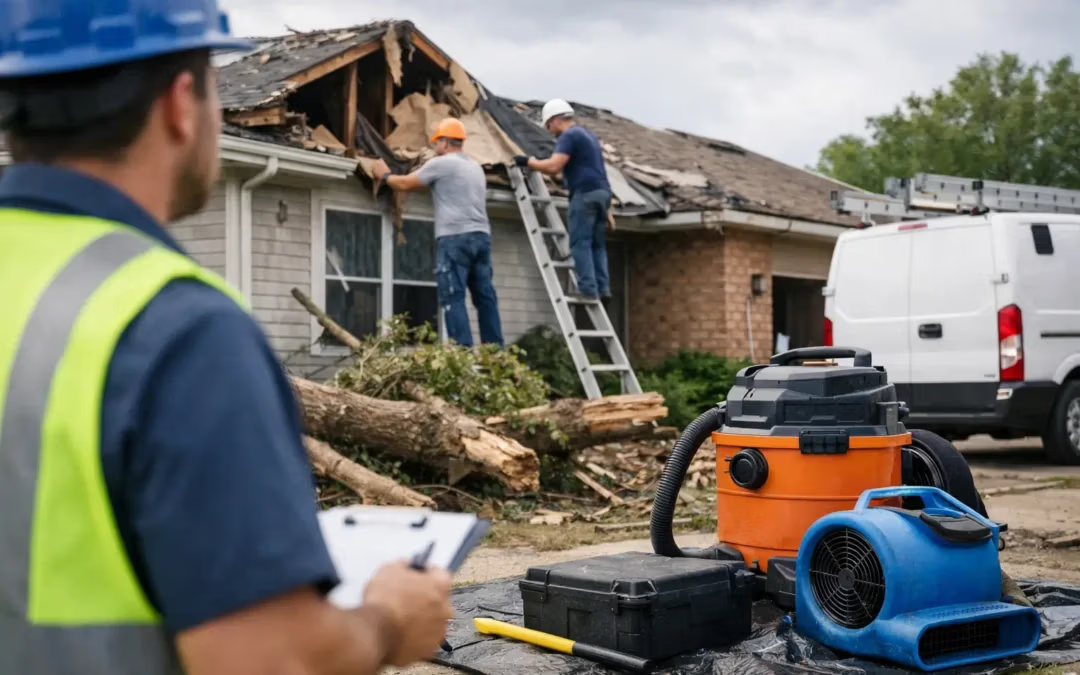
After a North Texas storm, the problem is rarely just a few missing shingles. Water finds its way into decking, flashing pulls loose, gutters get twisted, and small damage can turn into an expensive leak faster than most property owners expect. That is why choosing the right storm damage restoration company matters so much – not just to patch what you can see, but to catch what the storm left behind.
In the Dallas-Fort Worth area, storm work often starts under pressure. Hail hits hard, wind tears through neighborhoods, and within hours trucks start lining the streets. Some companies do good work. Some are here today and gone tomorrow. When your roof, home, or commercial building is on the line, the difference comes down to experience, accountability, and whether the company will still answer the phone after the job is done.
What a storm damage restoration company should actually do
A good storm damage restoration company does more than offer a quick inspection and an estimate. The job starts with a careful assessment of the full roofing system and the surrounding components that storms often damage at the same time. That includes shingles or other roofing materials, underlayment, vents, flashing, ridge caps, gutters, skylights, and the areas where water intrusion tends to start.
For homeowners, that means getting a clear picture of whether you need a repair, a partial reroof, or a full replacement. For commercial property owners, it may also mean evaluating drainage, membrane damage, rooftop equipment penetrations, and the ways hidden water can affect insulation and operations. Storm restoration is not one-size-fits-all, and any contractor who treats it that way is cutting corners early.
The right company should also help bring order to a stressful process. That includes documenting damage, explaining repair options in plain language, providing a fair estimate, and helping you understand what the insurance side may involve. If the conversation is rushed or overly vague, that is usually a bad sign.
Why local experience matters after a storm
Storm chasing is common in Texas. After major weather events, out-of-town crews often move in fast, promising immediate work and deep discounts. Some are legitimate contractors. Others disappear once the checks clear. Even when the workmanship looks acceptable on day one, warranty issues become your problem if no one is around to stand behind the job.
A local storm damage restoration company has more to lose by doing poor work and more reason to do things right. Reputation matters in communities like Waxahachie and across DFW. Companies that have served the area for years know the weather patterns, local building expectations, common insurance questions, and the roofing systems that hold up best in North Texas conditions.
That local history also says something about stability. A contractor that has stayed in business through decades of hail seasons, wind events, and changing markets has likely built that longevity the right way – by showing up, doing honest work, and taking care of customers when problems come up.
How to tell if a company is built for restoration work
Storm restoration is different from ordinary maintenance. It requires urgency, but not panic. It requires technical knowledge, but also communication skills. A dependable contractor should be able to inspect the damage thoroughly, explain what is cosmetic versus functional, and recommend the right scope of work without pushing you into the biggest possible sale.
You should also pay attention to how the company handles the details around the job. Do they explain timelines clearly? Do they talk about protecting landscaping, driveways, and outdoor areas during the work? Do they leave room for questions, or do they pressure you to sign immediately? Storm damage is stressful enough without feeling boxed in.
Insurance coordination matters here too. Many property owners are not looking for someone to “fight” with their carrier as much as they want a contractor who knows how to document damage properly and communicate professionally. That support can make a real difference. It saves time, reduces confusion, and helps keep the project moving.
Red flags to watch for in a storm damage restoration company
Some warning signs are obvious. If a contractor shows up unsolicited, asks for a large upfront payment, or says they can start only if you sign right now, step back. The same goes for vague paperwork, no local presence, or promises that sound better than they should.
Other red flags are more subtle. One is when the inspection feels rushed and focused only on what supports a sale. Another is when the contractor avoids talking about cleanup, warranty support, or what happens if additional damage is found once the roof is opened up. Restoration work can uncover surprises. A good company prepares you for that. A bad one acts like every job is simple until the invoice changes.
You should also be cautious with companies that talk around pricing. Fair pricing does not always mean the lowest number. Sometimes a low bid leaves out important materials, proper ventilation work, flashing replacement, or cleanup standards that should have been included from the start. Storm restoration is one of those cases where cheap can get expensive fast.
The insurance piece without the confusion
For many property owners, the hardest part of storm recovery is not the roof itself. It is dealing with the paperwork, timing, and uncertainty around the claim. A strong storm damage restoration company helps simplify that process without making unrealistic promises.
That usually starts with good documentation. Photos, written inspection notes, and a clear scope of work help support the claim and reduce disputes about what the storm actually caused. From there, it helps to have a contractor who can meet with the adjuster if needed and explain the damage in straightforward terms.
There is a balance here. You want a contractor who understands claims, but you also want one who stays in their lane and communicates honestly. No reputable company can guarantee what your carrier will approve. What they can do is present the facts clearly, advocate for proper repairs, and keep you informed instead of leaving you to sort it out alone.
Residential and commercial jobs are not the same
Homeowners and commercial property managers often need the same kind of trust, but not always the same solution. A residential project may focus on curb appeal, shingle matching, attic ventilation, and protecting a family home from future leaks. A commercial project may involve tenant disruption, drainage performance, safety planning, and minimizing downtime.
That is why it helps to work with a contractor that understands both sides of the business. The inspection process, material recommendations, and scheduling decisions can look different depending on the property type. A company that recognizes those differences is more likely to give you a solution that fits the building instead of forcing every job through the same process.
Why communication is part of the repair
One thing property owners remember long after the storm is how they were treated. Did the contractor return calls? Did the crew show up when promised? Was the site kept clean? Were you updated when weather delayed the schedule or when extra damage was discovered?
Those details are not extras. They are part of professional restoration work. Clear communication builds trust, especially when the project is tied to insurance, weather delays, or a major financial decision. If a company is hard to reach before the contract is signed, it usually does not get better after.
That is one reason many North Texas property owners prefer a family-owned, established contractor over a high-volume operation built around fast storm sales. The work may move at a more thoughtful pace, but the trade-off is often better accountability and a much better customer experience. Companies like Accent Roofing have built their name on that kind of steady, hands-on service.
The right choice is about more than getting through this storm
A storm damage restoration company should help you solve the immediate problem, but it should also leave you in a stronger position afterward. That means workmanship you can trust, materials suited for local weather, and a roof system that is not going to leave you dealing with preventable issues next season.
If you are weighing estimates after a storm, slow the process down just enough to ask the right questions. Who will inspect the property? Who will manage the job? Who helps with the claim? Who stands behind the work months from now? The answers matter more than a fast sales pitch.
When severe weather hits, most people are not looking for flashy promises. They want someone dependable, local, and honest enough to tell them what really needs to be done. That is usually the company worth calling first.