
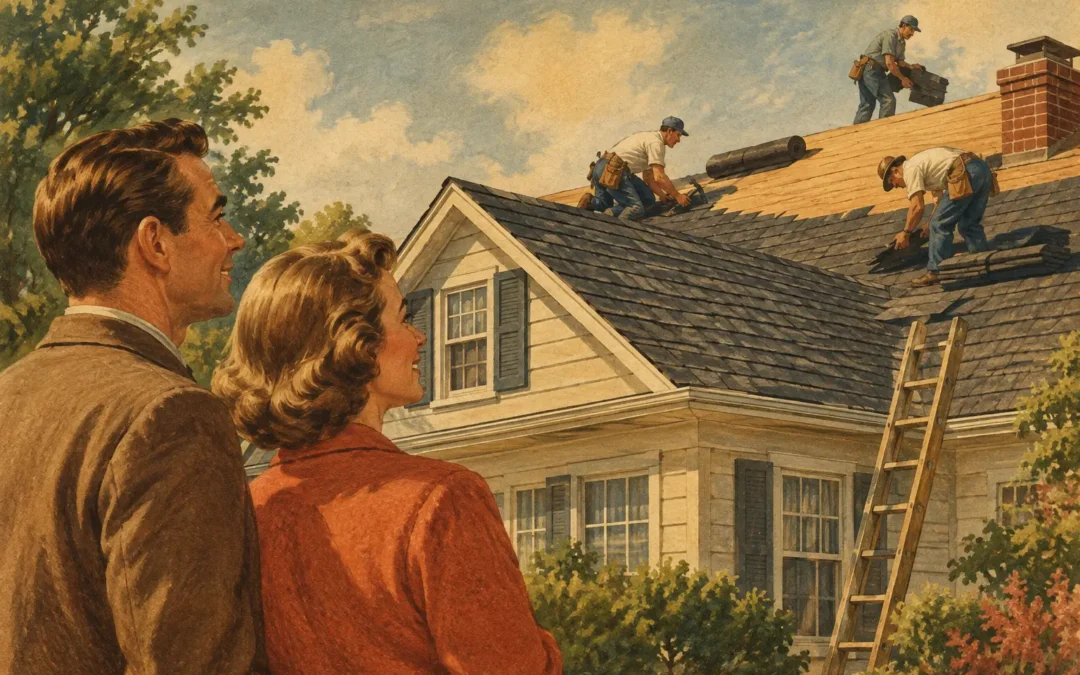
A reroofing decision often starts with one uncomfortable discovery. A ceiling stain appears after a hard rain. Shingles collect in the yard. Or a hailstorm leaves you wondering what changed overhead. This guide to residential reroofing process explains what happens next, without pressure or confusing jargon.
For North Texas homeowners, timing matters. Our roofs handle intense heat, sudden wind, hail, and heavy rain. A quality project protects more than shingles. It protects the framing, insulation, interior finishes, and daily comfort of your home.
When Reroofing Is the Right Next Step
Reroofing can mean different things. Some homeowners use it to describe any new roof. In practice, the contractor must decide whether a roof-over is appropriate or whether a full tear-off is needed.
A roof-over places new shingles over an existing layer. It may cost less upfront. However, it can hide damaged decking, worn flashing, or trapped moisture. It also adds weight to the structure. Many aging North Texas roofs benefit more from a full tear-off because it lets the crew inspect the roof deck directly.
A full replacement removes existing roofing materials down to the deck. This approach takes more labor. It also provides a clearer view of the roof’s condition. If leaks, storm damage, soft decking, or multiple shingle layers are present, removal is often the better long-term choice.
Common signs that deserve a professional inspection include:
- Missing, cracked, curled, or lifted shingles
- Dark granules collecting near downspouts
- Water stains, damp insulation, or attic odors
- Soft spots on the roof or visible sagging
- Hail or wind damage after a local storm
Age alone does not decide the issue. A roof may look worn but still have serviceable years left. Another may look acceptable from the ground while allowing water beneath the shingles. An in-person inspection provides the facts needed for a sound decision.
The Residential Reroofing Process, Step by Step
A dependable reroofing project should feel organized from the first conversation. You should know what is being inspected, what is included, and what may change if hidden conditions appear.
1. Inspection and a clear written estimate
The process begins with a detailed roof assessment. A qualified contractor reviews shingles, penetrations, flashing, vents, valleys, gutters, and visible decking concerns. They should also look for storm-related damage that could affect the repair or replacement plan.
The estimate should explain the proposed scope. That includes materials, removal work, underlayment, flashing, ventilation components, cleanup, and warranty information. Ask how damaged decking is handled if it is found after tear-off. This is one of the most common variables on older homes.
Honest pricing means discussing those possibilities early. No contractor can see every condition below old shingles. A good contractor explains the process before work begins.
2. Material and system selection
Shingles receive most of the attention. Yet a roof is a complete system. Underlayment helps manage wind-driven rain. Flashing directs water away from chimneys, walls, valleys, and vents. Intake and exhaust ventilation help manage attic heat and moisture.
Architectural asphalt shingles are a popular choice for many area homes. They offer good appearance, reliable performance, and a range of colors. Impact-resistant options may make sense for homeowners concerned about recurring hail. They generally cost more, so the choice depends on budget, roof design, and long-term plans.
The right color is also practical. Darker shingles can create a dramatic look. Lighter colors may better suit some homes and neighborhoods. Your contractor should provide samples and explain how the roof color works with brick, siding, trim, and existing exterior features.
3. Scheduling, permits, and home preparation
Once the scope is approved, the contractor schedules the project around weather and material availability. Rain, lightning, and unsafe wind can delay work. That is not poor planning. It is proper jobsite safety and protection for your home.
Permit requirements can vary among Mansfield, Arlington, Waxahachie, and nearby municipalities. A local contractor should confirm applicable requirements for the property and handle the project accordingly. Building standards also affect details such as ventilation, fastening, and roof layers.
Before the crew arrives, move vehicles from the driveway and garage area. Remove fragile wall decorations inside, if possible. Roofing work creates vibration. Clear patio furniture, grills, potted plants, and toys away from the home. Covering attic belongings is wise when an older roof deck may release dust during removal.
4. Tear-off and deck inspection
On installation day, the crew protects landscaping, siding, windows, and ground areas as practical. Then they remove the old roofing materials. This step can be noisy, but it is essential for a full replacement.
With the old material removed, the crew inspects the wood deck. Decking must be solid and properly secured before new roofing goes down. Any rotten, split, or weakened sections need replacement. Skipping this repair can shorten the life of the entire system.
This is also the right time to correct certain flashing or ventilation concerns. It is far easier to address them while the roof is open than after new shingles are installed.
5. Installing the weatherproofing system
The roof deck is prepared before shingles are installed. The crew applies underlayment and uses protective materials in vulnerable areas, based on the roof design and local requirements. Flashing is installed or replaced where water must be directed away from transitions and openings.
Then the shingles are installed according to the selected manufacturer’s instructions. Proper layout matters. So do fastening patterns, straight courses, valley details, ridge work, and sealed edges. These details are especially important when North Texas winds push rain where it does not normally go.
Ventilation should never be treated as an afterthought. A hot attic can strain cooling equipment and age roofing materials faster. The correct balance depends on the home’s attic configuration, existing intake openings, and exhaust setup. More vents are not always better. The system needs to work together.
6. Cleanup and final walkthrough
A professional crew cleans as it works, not only at the end. Roofing debris should be contained and removed. Magnetic sweeping helps collect loose nails from driveways, walkways, and lawn areas. Landscaping and outdoor spaces should be left in good order.
The final walkthrough is your opportunity to ask questions. Review the completed work, material selections, warranty documents, and maintenance recommendations. If an issue needs attention, raise it before the project is closed. Clear communication protects everyone.
Storm Damage and Insurance Claims
After hail or wind affects your neighborhood, take photos from the ground if it is safe. Note interior leaks and protect the area from further water exposure. Avoid climbing onto a damaged roof yourself.
A roofing contractor can document visible damage and explain repair or replacement options. If you choose to file a claim, review your policy and speak with your insurer about coverage, deductibles, and next steps. Contractors can help organize roofing documentation and meet with an adjuster when appropriate. They should not promise an approval, a payout amount, or a waived deductible.
Be cautious after major storms. Storm-chasing crews may appear quickly, then become difficult to reach later. Ask for a local address, proof of insurance, references, a written scope, and clear warranty terms. A roof needs accountability long after the final shingle is installed.
Questions Worth Asking Before You Sign
Ask who will supervise the work and how you will receive updates. Confirm whether the estimate includes removal, disposal, flashing, ventilation, and cleanup. Ask what happens if damaged decking is found. Also ask how the crew protects landscaping and collects nails.
The lowest estimate is not always the lowest total cost. Missing materials, vague allowances, and weak cleanup plans can create expensive surprises. Compare scopes line by line. A transparent estimate makes comparison much easier.
Accent Roofing has served North Texas homeowners with honesty and integrity since 1980. A family-owned contractor should be easy to reach, clear about the work, and accountable when questions arise.
Your roof does not need a rushed decision. Start with a careful inspection and a written plan. Then choose the contractor who gives you straight answers, respects your property, and will still be here when you need help later.