
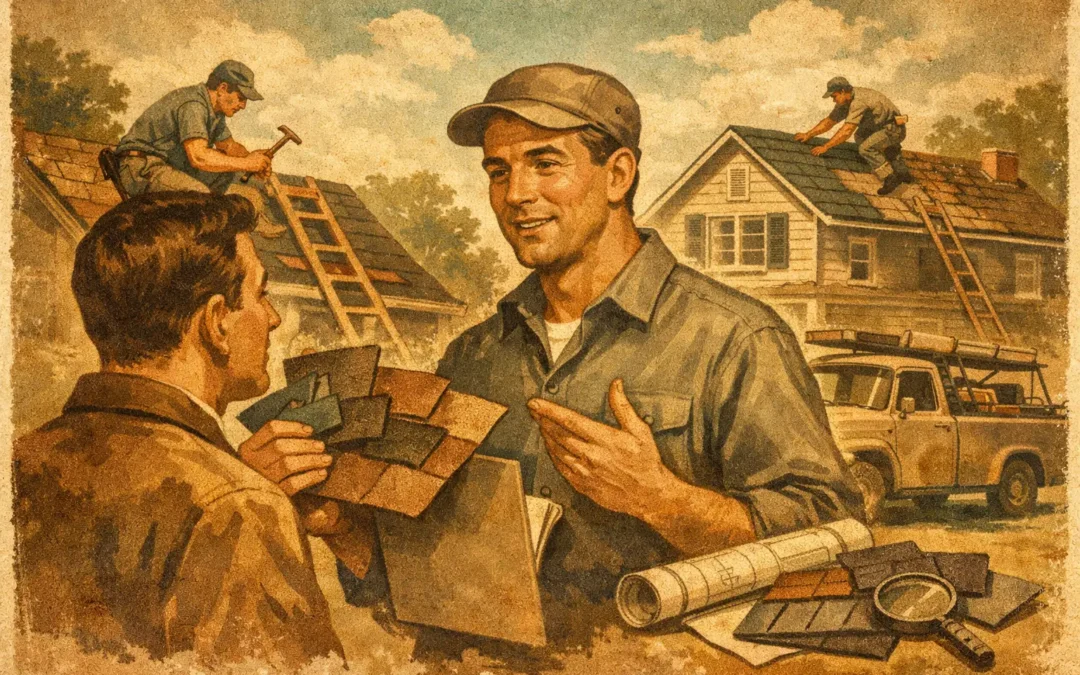
A roof problem rarely shows up at a convenient time. It usually starts with a ceiling stain after a hard rain, missing shingles after hail, or that feeling that your roof is simply old enough to make you nervous every storm season. When that happens, knowing how to choose a roofing contractor can save you money, stress, and a lot of cleanup later.
The hard part is that most homeowners do not hire roofers often. You may replace a roof once or twice in the time you own a home, so it is easy to miss red flags or get distracted by the lowest bid. A good contractor protects your house, communicates clearly, and stands behind the work. A bad one can leave you with leaks, shortcuts, and no one answering the phone once the check clears.
How to choose a roofing contractor without guessing
Start with the basics. You are not just buying shingles or labor. You are hiring a company to manage one of the most important systems on your home. That means the right choice comes down to more than price.
A dependable roofing contractor should be established, insured, experienced with your type of roof, and willing to explain the job in plain English. They should also have a real local presence. That matters more than many homeowners realize, especially after a storm when out-of-town crews flood neighborhoods offering fast deals.
A local contractor has a reputation to protect. They work in your community, they know the weather patterns, and they are easier to reach if you need service later. If a company says it serves your area, ask where it is based and how long it has been operating under the same name.
Look for proof, not promises
Any contractor can say they do quality work. What you want is proof. Ask how long they have been in business, whether they carry liability insurance and workers’ compensation, and what kind of manufacturer certifications or professional standing they have. Reviews help, but do not stop at the star rating. Read the comments and look for patterns.
If several customers mention clean jobsites, steady communication, and fair handling of unexpected issues, that is meaningful. If reviews mention missed appointments, hard sales pressure, or trouble getting warranty help, believe them.
Years in business also matter. Roofing companies come and go, and warranties do not mean much if the installer disappears. Longevity is not everything, but it is a strong sign that the company has systems, accountability, and enough satisfied customers to stay busy.
What to ask before you sign anything
A good estimate should answer most of your questions before you have to chase someone down. If it does not, that is already telling you something.
Ask what work is actually included. Will they remove the old roof completely or install over existing material where allowed? What underlayment will be used? How will they handle flashing, vents, drip edge, decking problems, and ventilation? You do not need a lecture full of jargon, but you do need straight answers.
You should also ask who will supervise the job. Some companies sell the project and then hand it off with little oversight. Others stay involved from inspection to final cleanup. If communication matters to you, and for most homeowners it should, ask who your point of contact will be and how updates will be handled.
Payment terms deserve careful attention too. Be wary of large upfront demands, especially after a storm. A reasonable deposit may be normal, but you should understand the schedule and what milestones trigger payments. Never feel rushed into signing because someone says the price is good for today only.
Compare bids the right way
It is smart to get multiple estimates, but do not compare them like grocery prices. One contractor may include better materials, more thorough tear-off, upgraded ventilation, or stronger warranty coverage. Another may leave out key items to appear cheaper.
That is why the lowest bid is not always the best value. If one estimate comes in far below the others, ask why. Sometimes the answer is efficiency or lower overhead. Other times it means shortcuts, inexperienced crews, or missing scope.
The goal is not to find the cheapest roof. It is to find the best combination of workmanship, durability, communication, and price. A roof that fails early is never a bargain.
Watch for red flags during the estimate process
A contractor does not have to be polished like a salesman to be trustworthy. In fact, many of the best roofers are straightforward and no-nonsense. But there is a difference between blue-collar directness and sloppy business practices.
Be cautious if a company cannot provide basic documentation, avoids detailed written estimates, or pressures you to sign on the spot. The same goes for anyone who shows up after severe weather promising they can cover your deductible, handle everything with no paperwork, or start immediately without inspecting the full roof.
Another warning sign is poor communication before the job even begins. If calls go unanswered, appointments are missed, or questions are brushed off during the sales process, service usually does not improve once work starts.
Cleanliness and professionalism matter too. Roofing is messy work, but an experienced contractor should have a plan to protect landscaping, manage debris, and leave your property in good shape when the job is done.
How to choose a roofing contractor for storm damage
Storm claims add another layer of pressure because homeowners are often dealing with urgency, insurance paperwork, and visible damage at the same time. In those situations, it helps to choose a contractor with real claim experience, not just one who says they work with insurance.
A solid contractor can document damage clearly, explain what the adjuster may look for, and help you understand the difference between what insurance covers and what it does not. They should not promise claim approval, because no honest roofer can control that. What they can do is provide accurate information and keep the process organized.
If your roof was hit by hail or high winds, ask how the company handles inspections, temporary protection if needed, and supplements if hidden damage is found. This is where experience pays off. The right contractor can reduce confusion and help keep the project moving.
For homeowners in North Texas, where hail and wind can turn a normal week into an insurance claim overnight, this part of the hiring process is especially important. You want a roofer who knows the work and knows how to guide people through it without adding more stress.
Warranties, workmanship, and the details that matter later
Most homeowners ask about shingles first, but workmanship often matters more than brand alone. A great product installed poorly can still fail. That is why you should ask about both manufacturer warranties and workmanship warranties.
A manufacturer warranty generally covers defects in the roofing material. A workmanship warranty covers installation errors. Both have value, but they cover different risks. Make sure you understand how long each lasts, what could void it, and who handles service if there is a problem.
This is also a good time to ask about ventilation, attic airflow, and any decking issues that might be uncovered during tear-off. These are not exciting topics, but they affect roof life in a big way. A contractor who explains these details clearly is usually thinking beyond just getting through the job.
The best choice is usually the one that feels steady
Most homeowners know when a contractor feels reliable. They show up when they say they will. They answer questions without talking down to you. They provide a clear estimate, explain the job honestly, and do not act annoyed when you want time to think it over.
That steady, accountable approach matters. Roofing is not just a transaction. It is a high-cost project tied directly to your home’s protection, resale value, and day-to-day peace of mind.
If you are weighing options, trust the company that gives you confidence for the long haul, not just the fastest promise or the cheapest number. A dependable local roofer should make the process feel clearer, not harder. That is usually a good sign you are headed in the right direction.