
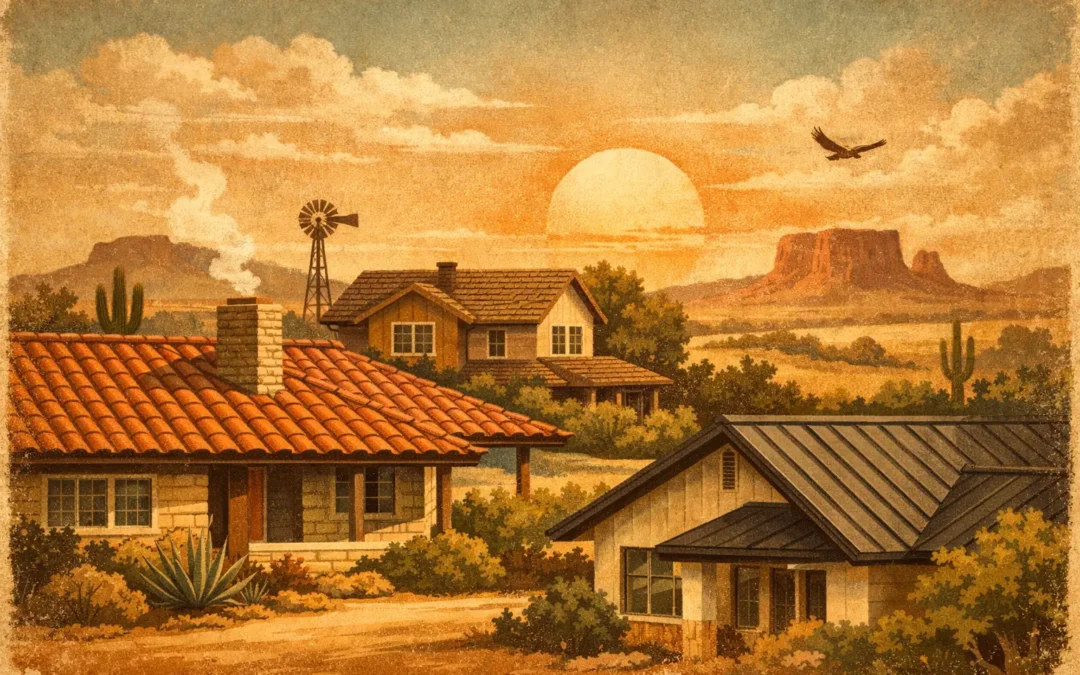
A Texas roof has to handle more than rain. It may face triple-digit heat in August, hail during a spring storm, high winds, sudden temperature swings, and months of intense sun. That is why choosing the best roofing materials for Texas homes is less about picking the nicest color and more about matching the roof to your property, budget, neighborhood, and long-term plans.
For many homeowners in Mansfield, Midlothian, Waxahachie, and surrounding North Texas communities, an architectural shingle roof is the practical answer. But it is not the only good answer. Metal, tile, and specialty impact-resistant shingles can all make sense under the right conditions. The key is understanding where each material performs well and where the trade-offs begin.
WHAT A TEXAS ROOF NEEDS TO WITHSTAND
Texas weather puts a roofing system through a demanding cycle. Summer heat can age materials faster, especially on darker roofs with little shade. Hail can bruise shingles, crack tile, dent metal, and damage flashings. Wind can lift edges, loosen ridge caps, and expose weak installation work long before a roof reaches the end of its expected life.
A good roofing decision should account for the whole system, not just the visible surface. Proper ventilation helps manage attic heat and moisture. Quality underlayment provides another layer of protection beneath the roof covering. Correct flashing around chimneys, vents, valleys, and walls is what often separates a roof that looks good from one that stays dry.
Material matters, but workmanship matters just as much. A premium product installed carelessly will not provide the protection a Texas homeowner is paying for.
Best Roofing Materials for Texas Homes
Architectural asphalt shingles: the best fit for most homes
Architectural asphalt shingles are the most common choice for a reason. They provide a strong balance of appearance, durability, repairability, and cost. Unlike older three-tab shingles, architectural shingles have a thicker, dimensional profile that gives the roof more depth and generally offers better wind performance.
For most Texas homes, we recommend considering a quality architectural shingle with a Class 3 or Class 4 impact-resistance rating when the budget allows. These products are designed to better withstand hail strikes than standard shingles. They are not hail-proof, and a major storm can still cause damage, but they can reduce the risk of cracking and loss of granules in smaller events.
This option works especially well for homeowners who want dependable protection without the higher upfront cost of metal or tile. It also makes future repairs simpler because shingles can often be replaced in a localized area when damage is limited. The trade-off is lifespan. Even a well-installed shingle roof will typically need replacement sooner than a properly maintained metal or tile roof, particularly under North Texas sun and storm exposure.
Metal roofing: long-term protection with a higher upfront cost
Metal roofing has become a more popular choice for homeowners who plan to stay in their home for many years. Standing-seam metal roofs are known for their clean appearance, excellent wind resistance, and long service life. Metal also reflects more solar heat than many conventional dark roofing materials, which can help reduce heat transfer into the attic when paired with proper insulation and ventilation.
A metal roof is not automatically immune to hail. Hail can dent certain metal panels, and cosmetic damage may still be a concern even when the roof remains watertight. Thicker-gauge metal and quality panel systems generally hold up better, but the specific product matters.
Cost is the largest consideration. A metal roof usually requires a substantially higher initial investment than shingles. Repairs can also be more specialized, particularly if a panel needs replacement. Still, for a homeowner who values longevity, low maintenance, and a distinct look, metal can be a smart long-range investment.
Concrete or clay tile: durable, attractive, and structurally demanding
Tile roofing offers a classic, upscale appearance and can perform well in hot climates. Concrete and clay tile resist fire, tolerate sun exposure well, and can last for decades when installed and maintained properly. For certain home styles, particularly Mediterranean, Spanish, and Southwestern designs, tile is hard to match visually.
The deciding factor is often structural capacity. Tile is significantly heavier than asphalt shingles, so the home must be designed for that added load or evaluated for appropriate reinforcement. Tile can also crack when hit by hail or walked on improperly, which means inspections and repairs should be handled carefully by roofers experienced with the material.
Tile is a good fit when the home’s structure and style support it, and when the owner is comfortable with the upfront investment. It is usually not the most practical replacement choice for a typical shingle-roof home unless there is a clear plan for the added structural and installation requirements.
Synthetic roofing: an option for high-end looks without natural-material upkeep
Synthetic slate and shake products are designed to mimic the appearance of natural slate, cedar shake, or other premium materials. Many are lighter than the materials they imitate and may offer strong resistance to impact, moisture, and UV exposure.
These products can be appealing for homeowners who want a distinctive roof without the weight of natural slate or the maintenance concerns of real wood shake. However, product quality varies widely, and this category often comes with a premium price. It is worth reviewing the manufacturer warranty, impact rating, installation requirements, and local contractor experience before choosing a synthetic system.
HAIL RESISTANCE SHOULD BE PART OF THE DECISION
In the southern DFW metroplex, hail is not an unusual event. It is a regular part of owning a home here. If you are replacing an older roof after storm damage, choosing a higher-impact-rated shingle may be one of the most practical upgrades you can make.
Class 4 impact-resistant shingles are tested to withstand a more demanding impact standard than Class 3 or standard shingles. Some insurance carriers may offer policy discounts for qualifying impact-resistant roofing, although discounts, requirements, and documentation vary by carrier. Homeowners should check with their insurance agent before assuming a material will lower their premium.
It also helps to keep expectations realistic. Impact-resistant shingles are made to perform better in hail, not to eliminate every possible claim. A strong storm can damage any roof system. The goal is to select materials that give your home a better chance of coming through routine Texas weather with less damage.
Color, Ventilation, and the Texas Heat Factor
Roof color affects appearance first, but it can also influence heat absorption. Lighter shingles and reflective metal finishes generally absorb less heat than very dark materials. That said, color alone will not solve an overheated attic.
A well-designed ventilation system is often more important. Intake ventilation near the eaves and exhaust ventilation near the ridge help move hot air out of the attic. When airflow is restricted, excessive heat can stress shingles from below, make rooms less comfortable, and increase cooling demand.
During a roof replacement, it is a good time to inspect the ventilation plan rather than simply replacing the existing vents in the same locations. Older homes may have ventilation that was adequate decades ago but does not match current attic conditions or roofing standards.
HOW TO CHOOSE THE RIGHT MATERIAL FOR YOUR HOME
Start with how long you expect to own the property. If you may sell within several years, a quality architectural shingle roof with an impact-resistant upgrade may deliver the strongest balance of cost and curb appeal. If this is your long-term home, metal, tile, or a premium synthetic system may deserve closer consideration.
Next, consider the home itself. Roof pitch, framing, architectural style, neighborhood expectations, and existing structural conditions all affect what makes sense. A material that is excellent for one home may be an unnecessary expense or a poor visual fit for another.
Finally, ask for a clear explanation of the complete roofing system. The estimate should identify the material, underlayment, flashing work, ventilation, decking repairs if needed, and cleanup process. If storm damage is involved, the contractor should also be able to explain the damage in plain language and help you understand the insurance process without making promises they cannot control.
Since 1980, Accent Roofing has helped North Texas homeowners make these decisions with straightforward recommendations and hands-on service. The right roof is not always the most expensive one. It is the one that fits your home, protects your family, and is installed with the care needed to stand up to Texas weather.
Before selecting a material, have your roof evaluated by an experienced local professional. A clear inspection and an honest conversation about your priorities can make a costly decision feel much more manageable.