
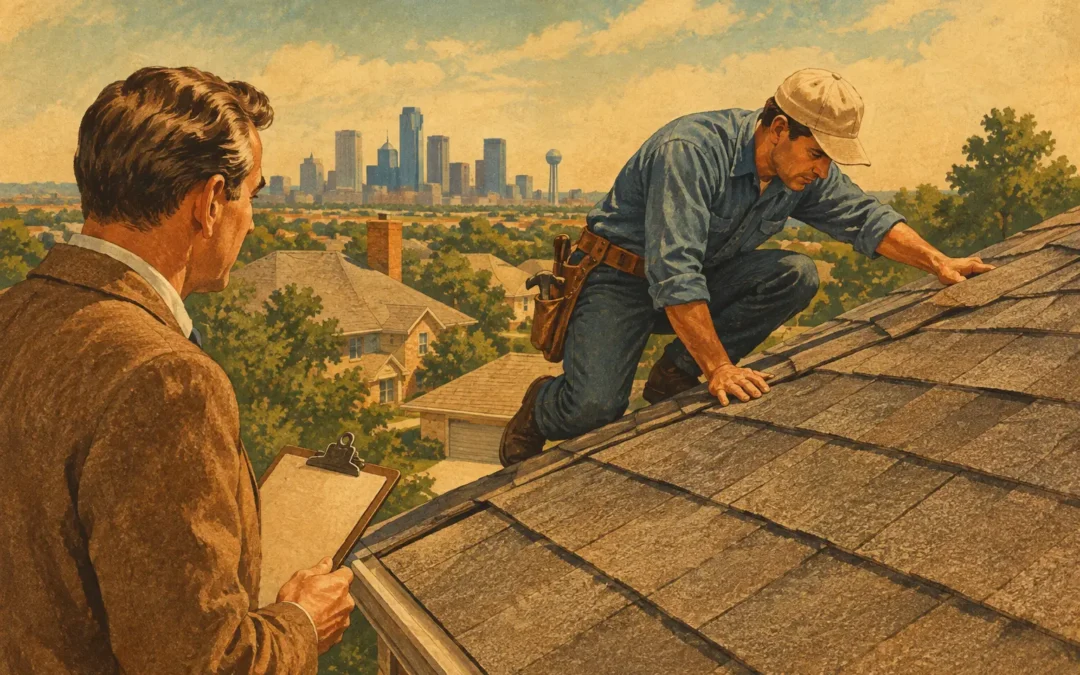
A roofing workmanship review should begin before the final invoice is paid. A new roof may look finished from the driveway. That does not always show how it will perform during hail, wind, and hard Texas rain. Homeowners in Mansfield and nearby communities deserve clear answers about the work completed on their home.
Roofing workmanship is more than shingle color or a neat roofline. It includes the hidden details that direct water away. It includes ventilation, flashing, underlayment, fasteners, cleanup, and communication. Those details matter long after the crew leaves.
What a Roofing Workmanship Review Should Cover
A fair review looks at the full project, not one detail alone. Every roof has its own design, age, and repair history. Still, quality work should meet the manufacturer’s installation requirements and applicable local building standards.
Start with the visible finish. Shingle rows should appear straight and consistent. Ridge caps should sit securely along the roof peak. Valleys should look orderly, with materials installed for proper drainage. The roof should not have loose tabs, exposed nails, or obvious gaps.
Then look beyond the shingles. The most common leak points are around roof penetrations and transitions. These include chimneys, plumbing vents, skylights, wall intersections, and valleys. Proper flashing helps move water safely onto the roof surface. Caulk alone is rarely a long-term answer for a failed flashing detail.
Your contractor should also explain what was found beneath the old roof. Damaged decking can affect fastening and create soft areas. If replacement was needed, you should know where it occurred and why. Good documentation removes guesswork.
The Details That Protect Your Home
North Texas roofs face demanding conditions. Strong sun, summer heat, sudden downpours, high winds, and hail can expose weak installation details quickly. A workmanship review should focus on the parts of the system built to manage those conditions.
Flashing and Water Control
Flashing is metal or purpose-made material installed where water needs guidance. It is essential around chimneys, sidewalls, vents, and roof-to-wall connections. Proper flashing should be secured, layered correctly, and integrated with the roofing materials.
Ask how the contractor handled existing flashing. Sometimes it can remain in place. Other times, replacement is the wiser choice. The answer depends on its condition, roof design, and whether it can still perform reliably.
Drip edge also deserves attention. It helps direct water into gutters and away from fascia boards. It may seem minor, yet it protects vulnerable wood along the roof edge. A clean roof edge often reflects careful planning.
Underlayment and Leak Barriers
Underlayment sits beneath the shingles. It is a secondary layer of protection. A quality installation includes underlayment laid flat, properly overlapped, and secured according to the product requirements.
Certain areas need extra protection. Valleys and low-slope transitions can receive concentrated water flow. Eaves may also need special consideration based on roof design. The right materials depend on the home, not a one-size-fits-all package.
Ventilation That Supports Roof Life
Attic ventilation affects more than comfort. Poor airflow can trap heat and moisture. That can stress shingles and make attic conditions harsher.
A roofing contractor should evaluate intake and exhaust ventilation together. Ridge vents, box vents, soffit vents, and powered options each have different applications. Adding exhaust without enough intake may not solve the problem.
Ask whether your ventilation changed during the project. If it did, ask why. A straightforward explanation should connect the recommendation to your attic layout and roof system.
Fasteners and Shingle Placement
Shingles need fasteners placed in the manufacturer’s designated nailing zone. Nails driven too high, too low, crooked, or too deep can reduce wind resistance. These issues are hard to see after installation, which makes contractor accountability especially valuable.
A final inspection may include spot checks in accessible areas. It should also address any concerns raised during the project. You do not need roofing experience to ask how the crew verified fastening and shingle alignment.
Questions to Ask Before You Sign Off
The final walkthrough is your chance to understand your roof. It should not feel rushed. A dependable contractor welcomes reasonable questions and provides clear, direct responses.
Consider asking these questions during your roofing workmanship review:
- Were any decking repairs completed, and where were they needed?
- Which flashing areas were repaired or replaced?
- What underlayment and ventilation materials were installed?
- How was the property cleaned for nails and debris?
- What workmanship coverage applies to the completed work?
- Who should I contact if I notice a concern later?
Keep copies of your estimate, material selections, invoices, photos, and warranty information. These records can help with future maintenance, home sales, or insurance conversations after a storm. They also make it easier to compare conditions if a leak develops later.
Worksite Cleanliness Is Part of the Job
A roof replacement is disruptive. It does not have to leave your property looking neglected. Careful cleanup is a sign of respect for the homeowner and the neighborhood.
A professional crew should protect landscaping where practical. They should manage debris throughout the day. At completion, they should sweep the grounds with magnets for nails and remove leftover materials.
No cleanup process catches every small item immediately. That is realistic. What matters is the contractor’s willingness to address concerns. If you find debris after the project, report it promptly and document the location.
Driveways, patios, flower beds, and air-conditioning equipment deserve attention. So do gates and access points. If pets or children use the yard, ask when it is safe to return to normal use.
Watch for Concerns Without Assuming the Worst
Some observations deserve a prompt conversation. A loose shingle, visible nail, damaged gutter, or uncollected debris should be reported. Take clear photos and contact the contractor directly.
Other concerns require more context. Granules in gutters can occur after new shingles are installed. A small amount may be normal material shedding. Persistent granule loss, lifted shingles, or interior water staining should be evaluated promptly.
Do not wait through repeated rainstorms if you suspect a leak. Water can travel before it becomes visible indoors. A stain on a ceiling may not sit directly below the roof opening. Early inspection can limit further damage.
After hail or high-wind weather, avoid climbing onto the roof yourself. Wet shingles and steep slopes create real hazards. A qualified local roofer can inspect the system safely and explain what was found.
Why Local Accountability Matters
Storm damage can bring unfamiliar contractors into North Texas neighborhoods. Some may offer fast promises and pressure homeowners to decide immediately. A roof is too significant for that approach.
Choose a contractor with an established local presence, clear contact information, and a record of completed work. Ask who will handle questions after installation. Ask whether the company uses its own project oversight. These answers reveal whether the relationship lasts beyond the sale.
Accent Roofing has served North Texas homeowners with honesty and integrity since 1980. That long-term commitment matters when a property owner needs a repair, a follow-up inspection, or help understanding storm-related roof concerns.
A low bid can be tempting. Yet a lower price may reflect different materials, limited preparation, reduced cleanup, or missing details. Compare written estimates carefully. Make sure each contractor is pricing the same scope of work.
Put Your Review in Writing
After the walkthrough, send any remaining questions in writing. Email or a written message creates a clear record. State the issue, include photos, and ask for the next step.
Good contractors do not disappear when questions arise. They schedule a review, explain the finding, and address valid workmanship concerns. Timing can depend on weather, material availability, and the nature of the repair. Clear communication should remain consistent.
Your roof protects everything beneath it. Take the final walkthrough seriously, keep your records close, and work with a contractor prepared to stand behind the details.