
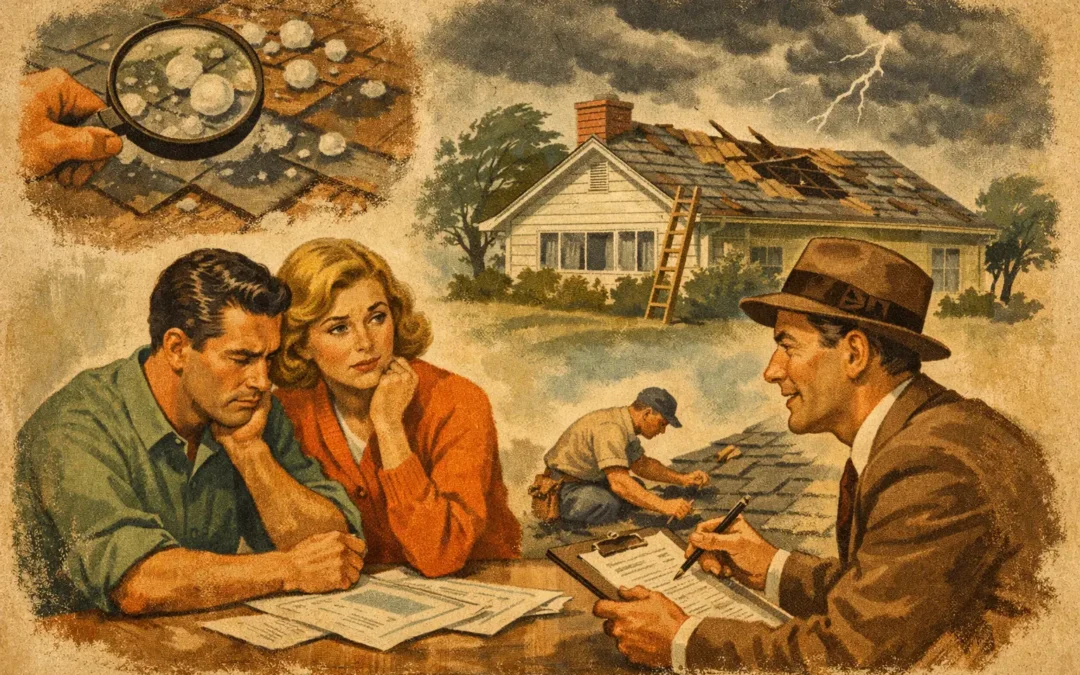
A storm rolls through at 2 a.m., and by sunrise you notice shingles in the yard, a water spot on the ceiling, and neighbors already calling contractors. That is when roof insurance claim help matters most – not after paperwork has piled up, not after deadlines get missed, and not after a small problem turns into interior damage.
For most homeowners, filing a roof claim is not something they do often enough to feel confident about it. The process can feel simple at first. Call the carrier, open a claim, wait for an adjuster. But the real frustration usually starts after that, when the damage is harder to document than expected, the estimate does not fully match the scope of work, or you are left trying to translate insurance language while your roof still needs attention.
What roof insurance claim help actually means
Good roof insurance claim help is not about making promises nobody can guarantee. It is about having an experienced roofing contractor who knows how storm damage is identified, documented, and repaired, and who can walk with you through the process so fewer things get missed.
That help usually starts with a thorough roof inspection. Not every damaged roof needs a full replacement, and not every leak is caused by a recent storm. An honest contractor should tell you the truth, even if it is not the answer you expected. Sometimes the issue is limited and repairable. Other times, hail or wind has caused widespread damage that is easy to underestimate from the ground.
From there, support often includes photo documentation, a written scope of damage, communication about what the insurance company may ask for, and guidance on how to compare the insurer’s estimate to the actual work needed. The value is not just in roofing knowledge. It is in reducing confusion at a time when homeowners are already stretched thin.
Why homeowners get stuck during a roof insurance claim
The biggest problem is usually not the first phone call. It is the gap between what the homeowner sees, what the adjuster documents, and what the roof truly requires.
Storm damage is not always dramatic. A roof can have lifted shingles, bruising from hail, compromised flashing, or shortened life expectancy without looking catastrophic from the driveway. If the inspection is rushed or incomplete, the claim may be under-scoped. That does not automatically mean anyone is acting in bad faith. It often means important details were overlooked.
Paperwork creates another issue. Homeowners are asked to keep track of dates, estimates, depreciation, supplements, and claim correspondence, all while protecting their property from further damage. If this is your first claim, it is easy to miss a step simply because the process is unfamiliar.
There is also the timing factor. After a major storm, carriers, adjusters, and roofing companies are all busy. Delays happen. The key is having a contractor who stays organized, communicates clearly, and keeps the project moving instead of disappearing once the estimate is written.
How a contractor should help without overstepping
A good roofing company should be a strong advocate for proper repairs, but also a straight shooter about what belongs in the claim process. That balance matters.
Your contractor can inspect the roof, document storm-related damage, explain repair versus replacement options, and meet with the adjuster when needed to make sure the roofing scope is understood. They can also point out missing line items if the insurer’s estimate does not account for code requirements, accessories, or related components necessary to complete the job correctly.
What they should not do is pressure you with unrealistic promises like “free roof no matter what” or suggest that the numbers do not matter. Insurance work still has rules, limits, and documentation requirements. If someone sounds too slick, there is usually a reason.
For homeowners in North Texas, where hail and wind claims are common, it helps to work with a contractor who has handled these conversations many times before. Experience does not guarantee approval, but it does reduce preventable mistakes.
Roof insurance claim help before the adjuster arrives
The best time to get help is early. Once you suspect damage, have the roof inspected by a reputable local contractor before the adjuster meeting if possible. That gives you a clearer picture of the condition of the roof and creates a record of what was found.
Take your own photos as well, especially of visible exterior damage, interior leaks, ceiling stains, wet insulation, or damaged gutters and screens. Save any receipts for emergency tarping or temporary repairs. Insurance policies generally expect homeowners to prevent further damage when it is reasonable to do so.
It also helps to gather a few basics in one place: your claim number, carrier contact information, policy deductible if known, and notes on when the storm occurred. These details may seem minor, but they make communication faster and cleaner when several parties are involved.
What to expect during the adjustment and estimate review
When the adjuster inspects the property, your contractor should be ready to point out documented storm damage and answer roofing-specific questions. This is not about arguing. It is about clarity. Roofing systems include more than shingles, and small omissions on paper can create major issues during installation.
After the inspection, you will likely receive an estimate or summary from the insurance company. Homeowners often assume that document is a final description of every item the project needs. Sometimes it is close. Sometimes it is not.
This is where careful estimate review matters. If the insurance scope leaves out items required to complete the job properly, your contractor may need to submit supplements with supporting documentation. That is a normal part of many claims. It is not a red flag by itself. The important thing is whether the contractor can explain the differences in plain English and back them up with real job requirements.
Common misunderstandings that cost homeowners time
One common misunderstanding is assuming approval means everything is paid in one check. Many claims are paid in stages, with recoverable depreciation released later after work is completed and documentation is submitted. If nobody explains that upfront, homeowners can feel blindsided.
Another issue is deductible confusion. Your deductible is still your responsibility under the terms of the policy. Any contractor who acts like that can simply disappear should make you cautious.
Homeowners also sometimes wait too long to address interior signs of damage because they are focused on the roof itself. Water intrusion can affect insulation, drywall, paint, decking, and more. The longer you wait, the harder it can be to separate original storm damage from later deterioration.
Choosing the right company for roof insurance claim help
This is where local reputation matters more than a sales pitch. Storms bring out a lot of temporary roofing companies. Some do decent work. Some do not. The problem is you often do not know which is which until warranty questions come up later.
Look for a contractor with a long track record, clear communication, and a reputation for honesty. Ask how they document damage, whether they will review the insurance scope with you, and who will actually manage the job. You want a company that treats the claim as part of the service, not as a shortcut to a quick sale.
Family-owned contractors often stand out here because accountability is more direct. If a company has built its name over decades, it usually understands that handling claims the right way is not just about one project. It is about protecting trust in the community. That is one reason many property owners in Waxahachie and the greater DFW area prefer working with established local roofers like Accent Roofing when storm damage happens.
When repair makes more sense than replacement
Not every claim should end in a full roof replacement. If the damage is limited to one slope, a few shingles, or a specific area around penetrations or flashing, repair may be the smarter option. A trustworthy contractor should tell you that.
That said, repair is not always practical even when the visible damage seems contained. Matching older shingles can be difficult. Underlying materials may be compromised. Existing wear may mean a repair only buys a short amount of time. This is one of those situations where experience matters because the right answer depends on the roof’s age, material, storm impact, and overall condition.
The real goal is less stress and fewer surprises
Most homeowners are not looking to become experts in claim language. They just want their property protected, the process handled correctly, and the final roof built the way it should be. That is exactly why roof insurance claim help should feel calm, honest, and organized.
A dependable contractor will not make the storm disappear. They can make the next steps a lot more manageable. And when you are dealing with damage over your head, that kind of help goes a long way.