
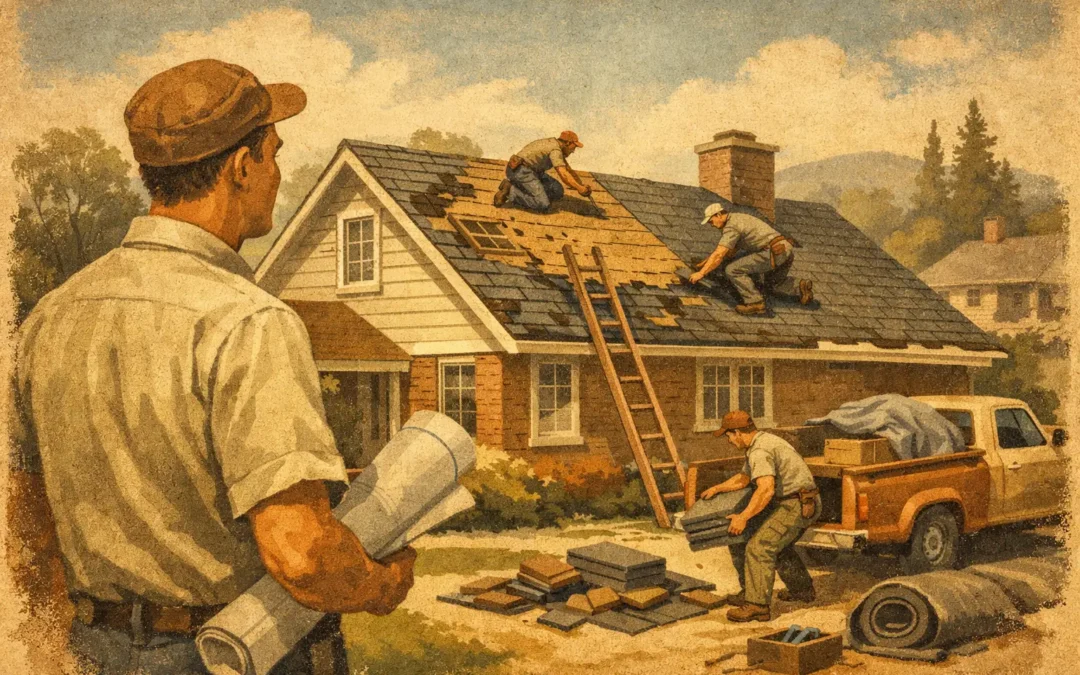
A roof replacement usually starts the same way – a stain on the ceiling, shingles in the flower bed, or a neighbor mentioning your roof looks rough after the last hailstorm. For most families, this is not a project they plan years in advance. That is why a clear homeowner guide to roof replacement matters. When you know what drives cost, how the process works, and where mistakes usually happen, the decision gets a lot less stressful.
Replacing a roof is a major home investment, but it does not have to feel like a gamble. The right contractor should help you understand what your roof needs, what your options are, and how to protect your home without overselling you. In North Texas especially, where heat, wind, hail, and sudden storms can do real damage, a practical approach always beats a sales pitch.
When a Roof Replacement Makes More Sense Than Another Repair
Not every roofing problem means you need a full replacement. A single leak around a vent pipe, a few lifted shingles, or localized flashing damage can often be repaired if the rest of the roof is still in good shape. Good contractors will tell you that plainly.
But there comes a point when repairs stop being cost-effective. If your roof has widespread shingle loss, repeated leaks, soft decking, storm damage across multiple slopes, or simply old age, patching one area after another starts to waste money. An older roof can also develop problems that are harder to see from the ground, including brittle shingles, failing underlayment, and ventilation issues that shorten the life of the whole system.
Age matters, but condition matters more. Some roofs fail early because of poor installation or severe storm exposure. Others last longer because they were installed well and maintained properly. That is why a proper inspection matters more than a guess based on the calendar.
A Homeowner Guide to Roof Replacement Costs
The first question most homeowners ask is simple: how much is this going to cost? The honest answer is that roof replacement pricing depends on several moving parts. Roof size is the obvious one, but pitch, complexity, material choice, tear-off requirements, decking repairs, ventilation upgrades, and local code requirements all affect the final number.
A basic roof with standard architectural shingles is going to price differently than a steep roof with multiple valleys, chimneys, skylights, and damaged decking underneath. If your home has several layers of old roofing that need to be removed, labor and disposal costs can rise quickly. If hail damage has affected more than just the shingles, that can change the scope too.
Cheaper is not always cheaper in the long run. A low bid may leave out key components like proper flashing replacement, starter shingles, ridge ventilation, or cleanup. It may also rely on rushed labor or poor communication. A fair estimate should clearly explain what is included, what might be discovered during tear-off, and how change orders are handled if hidden damage appears.
Choosing Roofing Materials Without Overcomplicating It
For many homeowners, asphalt shingles are the practical choice. They offer a solid balance of durability, appearance, and value, and they work well on most homes. Architectural shingles are especially common because they hold up better and look better than basic 3-tab products.
That said, there is no one-size-fits-all answer. Some homeowners want impact-resistant shingles because hail is a recurring issue. Others care most about color blend, warranty coverage, or long-term performance in intense heat. Metal roofing can be a good fit in some situations, but it costs more upfront and changes the look of the home. Premium materials can offer longer life, but only if the installation quality matches the product.
This is where a contractor should help narrow the choices instead of turning the conversation into a showroom tour. The best material for your roof is the one that fits your home, your budget, and your long-term plans.
What to Expect Before the Work Starts
A good roof replacement should feel organized before the first shingle comes off. That starts with a thorough inspection and a written estimate. You should know the material being installed, the scope of tear-off, what happens if damaged decking is found, how ventilation will be addressed, and how the property will be protected during the job.
If your roof damage is tied to wind or hail, insurance may be part of the process. In that case, documentation matters. Photos, inspection notes, and a contractor who understands how to work through the claim can save a lot of back-and-forth. Homeowners should still read their paperwork carefully, but experienced claim support can reduce confusion and keep the project moving.
Before installation day, ask practical questions. Where will materials be delivered? How will landscaping be protected? How long should the job take? Will there be someone on site you can talk to if a concern comes up? Clear communication before the job is often a good sign of how the rest of the project will go.
What Happens During a Roof Replacement
On installation day, your old roofing material is removed down to the decking. This is the moment when hidden issues often show themselves. Rotten decking, water damage around penetrations, or old repairs done incorrectly may need to be corrected before the new system goes on.
Once the deck is ready, the roofing crew installs the underlayment, flashing, starter materials, shingles, ventilation components, and ridge cap. A proper roof replacement is not just about shingles. It is a system, and weak points usually show up around penetrations, valleys, walls, and ventilation details.
The job can be noisy, and yes, it can be messy for part of the day. But it should not feel chaotic. Professional crews keep the site controlled, protect the home as they work, and clean up thoroughly at the end. Magnetic sweeps for nails, debris removal, and respect for driveways, flower beds, and fences are not extras. They are part of doing the job right.
Red Flags Homeowners Should Take Seriously
Roofing is one of those trades where trust matters fast. Most homeowners are making a decision under pressure, especially after a storm or active leak. That creates room for bad contractors to push quick signatures, vague promises, or suspiciously low numbers.
Be cautious if an estimate is unclear, if the company cannot explain its process, or if the salesperson avoids questions about licensing, insurance, cleanup, warranties, or who will actually perform the work. You should also be wary of anyone who pressures you to sign immediately or says they can absorb your deductible in a way that sounds too good to be true.
A dependable contractor should be able to explain the work in plain language. You should know who you are hiring, what they are installing, and how they will stand behind it. In a market like Mansfield and the southern DFW area, where storms bring plenty of roofing activity, local accountability matters.
After the Roof Is Installed
A finished roof should come with more than a final invoice. You should receive documentation for materials, warranty information, and a walkthrough of the completed work. If repairs to decking were made or ventilation was upgraded, that should be explained clearly.
This is also the right time to ask what kind of maintenance makes sense. Most homeowners do not need a complicated roof care plan, but they do benefit from periodic inspections, especially after major hail or wind events. Catching a flashing issue or minor storm impact early can help protect the investment you just made.
A roof replacement should give you peace of mind, not new uncertainty. If the job was done right, your home should be better protected, better ventilated, and better prepared for the weather ahead.
The Real Goal of a Homeowner Guide to Roof Replacement
The real goal is not just getting a new roof. It is making a sound decision for your home and your family. That means balancing budget with durability, speed with workmanship, and promises with proof. It also means hiring a contractor who treats the project like it matters because it does.
At its best, roof replacement is straightforward. You inspect honestly, plan carefully, install correctly, and communicate clearly from start to finish. If you are facing that decision now, take your time where you can, ask direct questions, and work with people who make the process feel steady instead of complicated. A good roof protects a lot more than shingles and decking. It protects the life happening underneath it.