
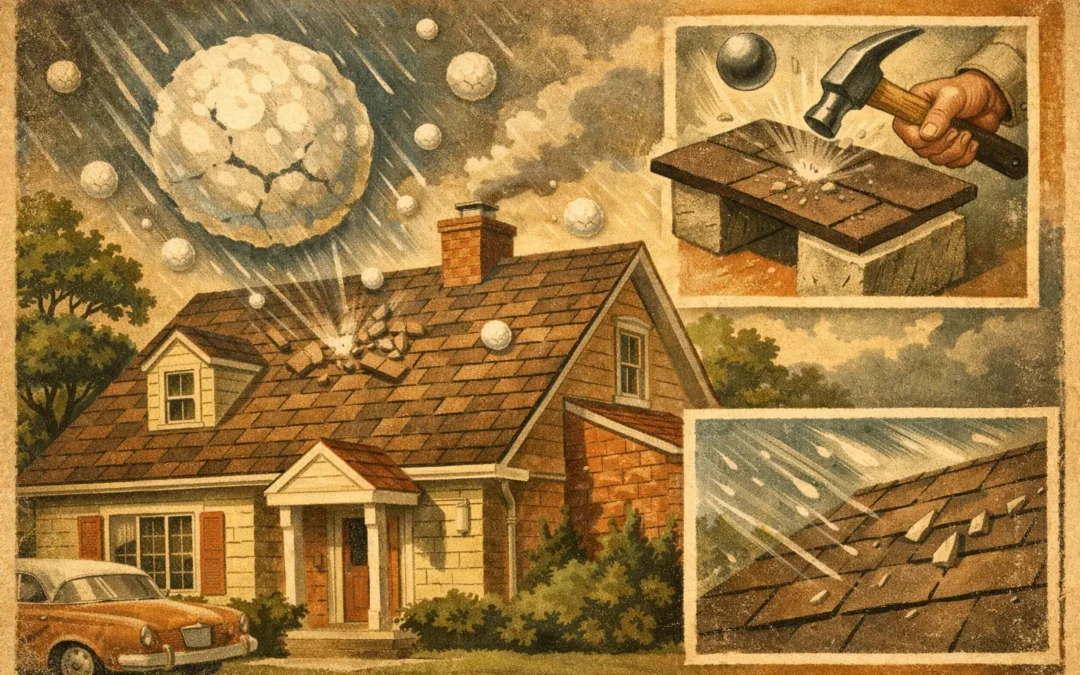
A roof can look fine from the driveway and still be one hard hailstorm away from trouble. That is why an impact resistant shingles review matters so much for homeowners in North Texas. If your neighborhood sees regular hail, strong wind, and insurance claim activity every spring, the right shingle is not just about curb appeal. It is about how much punishment your roof can take before small damage turns into leaks, repairs, and a full replacement earlier than expected.
Impact resistant shingles are often marketed as the tougher, smarter upgrade. Sometimes that is true. Sometimes the difference is more modest than people expect. The real value depends on the product, the roof system underneath it, the quality of the installation, and how severe your local weather gets.
What impact resistant shingles really are
Impact resistant shingles are asphalt shingles built to better withstand strikes from hail and other debris. Most are reinforced with a polymer-modified asphalt blend, though construction varies by manufacturer. The goal is simple – make the shingle more flexible and less likely to crack when hit.
The rating most homeowners hear about is Class 4. That comes from a lab test designed to measure impact resistance. In plain English, a Class 4 shingle has performed better in testing than a standard shingle when struck under controlled conditions. That does not mean it is hail-proof. It means it is more resistant to certain kinds of damage.
That distinction matters. We have seen roofs with premium shingles still suffer damage in Texas storms, especially when hail is large, wind-driven, or hits aging roof areas, ridge caps, vents, and other vulnerable spots. A stronger shingle helps, but no roofing product gets a free pass from severe weather.
Impact resistant shingles review: where they perform well
The biggest advantage is durability during moderate hail events. Standard architectural shingles can lose granules, bruise, or crack more easily. Impact resistant shingles tend to hold up better, which may reduce the chance of immediate functional damage.
They also make sense for homeowners who plan to stay in the house. If you want fewer roofing headaches over the next decade, paying more upfront for a more durable shingle can be a reasonable move. On homes surrounded by mature trees, they can also offer some added protection from small branch and debris impacts.
There is another practical benefit. Some insurance carriers offer premium discounts for qualifying impact resistant products. Not every policy does, and not every discount is meaningful, but it is worth asking before you decide. A small annual savings can help offset some of the upgrade cost over time.
Where the sales pitch gets oversimplified
This is where a fair impact resistant shingles review needs to slow down a bit. Many sales presentations make these shingles sound like a one-time fix for hail country. They are not.
First, impact resistance is only one part of roof performance. If the underlayment is poor, ventilation is wrong, flashing is weak, or the shingles are installed carelessly, the roof can still fail early. Homeowners sometimes focus so much on the shingle label that they overlook the workmanship. That is a mistake.
Second, cosmetic and functional damage are not always the same thing. A shingle may survive a hail event without splitting, but still show bruising or granule loss that shortens its life. You may avoid a full insurance claim after one storm, but that does not guarantee the roof is unaffected.
Third, these shingles cost more. For some households, that premium makes sense. For others, especially if the home may be sold soon, the return may be less convincing. It depends on your timeline, your budget, and your local storm exposure.
How much more do they cost?
In most cases, impact resistant shingles cost more than standard architectural shingles, both in materials and sometimes in the total installed roof package. The difference varies by brand, color, profile, and regional supply pricing. On a full replacement, that can add up fast.
That said, the decision should not be framed as cheap versus expensive. It is better to think of it as standard protection versus upgraded durability. If your area sees frequent hail claims, the added cost may be easier to justify than it would be in a milder climate.
A good contractor should walk you through the actual price difference instead of just saying the upgrade is worth it. Honest guidance matters here. Some roofs benefit from the upgrade more than others.
What North Texas homeowners should pay attention to
If you live in Mansfield, Midlothian, Arlington, or nearby communities, hail is not a rare event. It is part of the roofing equation. That is why this product category gets so much attention across the southern DFW area.
Still, local conditions matter. Roof pitch, sun exposure, attic ventilation, nearby trees, and the age of the decking all affect how well a roofing system performs over time. A high-end impact resistant shingle installed over problem decking or poor ventilation is still sitting on a weak foundation.
This is also why storm restoration experience matters. After hail, some roofs need a few repairs. Others need a full replacement. A contractor who understands both roofing systems and insurance claim documentation can help you make a more informed decision about whether an upgrade is worth it on the rebuild.
Brand differences matter, but installation matters more
Most major manufacturers offer an impact resistant line, and many are solid products. Some are heavier. Some are more flexible. Some carry stronger warranties or better color selections. Those differences matter, but not as much as homeowners often think.
A well-installed roof from a reputable manufacturer usually beats a premium shingle installed by a careless crew. Nail placement, flashing details, ridge vent work, starter installation, and site cleanup are not exciting topics, but they are often what separate a roof that performs from one that creates headaches.
That is one reason many homeowners prefer working with an established local contractor instead of chasing the cheapest bid after a storm. The shingle matters. The people installing it matter just as much.
Are Class 4 shingles worth it?
Sometimes yes. Sometimes no.
If your home has been hit by hail more than once, you expect to stay put for years, and you want a better chance of reducing storm-related damage, Class 4 shingles are often worth a serious look. They can be a smart upgrade for families trying to avoid repeated roof stress and the disruption that comes with it.
If your budget is tight, your roof geometry is simple, and you may move in the near future, a quality standard architectural shingle may still be the better fit. Not every home needs the top tier option to be well protected.
The right answer usually comes from balancing four things – your storm risk, your budget, your insurance details, and the condition of the rest of the roof system.
Questions to ask before you choose
Before approving a roof replacement, ask whether the quoted shingle is truly impact resistant and what its tested rating is. Ask whether your insurance company recognizes that product for discounts. Ask what underlayment, starter, ventilation, and flashing components are included with the system.
Also ask the contractor what they have seen on similar homes after local hail events. Practical field experience is valuable. A roofer who has inspected hundreds of storm-damaged homes can usually tell you whether a premium shingle is likely to provide meaningful value in your area.
If the conversation stays focused only on brochure claims and never gets into installation details, warranty coverage, or local storm patterns, you are not getting the full picture.
Our honest take on impact resistant shingles
For many North Texas homeowners, impact resistant shingles are a strong option, not a magic option. They can offer better performance in hail-prone areas and may help limit some forms of damage. That is the good news.
The caution is that they still need proper installation, proper ventilation, and realistic expectations. They cost more, and they do not make a roof indestructible. But when chosen for the right house, in the right neighborhood, with the right installer, they can absolutely be money well spent.
If you are weighing a roof replacement after storm damage or age-related wear, do not let the conversation stop at brand names or sales language. Ask what fits your home, your budget, and your long-term plans. The best roof decision is usually the one that still looks sensible five years from now, not just the one that sounds impressive today.