
A roof replacement is not the time to choose by price alone. In North Texas, roofing materials face intense heat, sudden wind, driving rain, and frequent hail. When comparing architectural shingles versus three tab shingles, homeowners should consider how each roof will perform after the next storm, not just how it looks on installation day.
For many homes in Mansfield, Midlothian, Waxahachie, and nearby communities, architectural shingles are the better long-term fit. Three tab shingles still have a place in certain projects. The right answer depends on your roof, budget, ownership plans, and existing roof system.
Architectural Shingles Versus Three Tab: The Core Difference
Both options are asphalt shingles. Both use a fiberglass base and protective asphalt coating. The major difference is their construction.
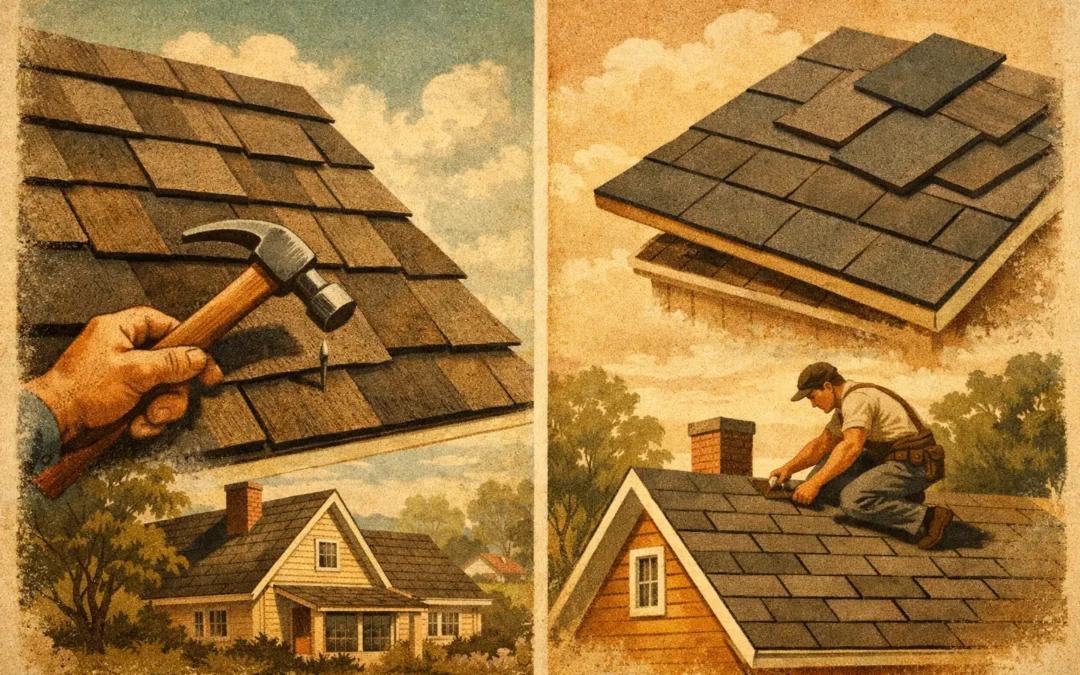
Three tab shingles are flat, single-layer shingles. Each piece has three uniform tabs. Once installed, they create a clean, repetitive pattern across the roof. They are lightweight and traditionally cost less upfront.
Architectural shingles are also called dimensional or laminated shingles. They are built with multiple layers of asphalt material. Those layers create depth, variation, and a more textured appearance. They are also generally thicker and heavier than three tab shingles.
That added construction affects much more than curb appeal. It can improve wind resistance, impact performance, and expected service life.
Why North Texas Weather Changes the Decision
A roof in Southern Tarrant County or Ellis County works hard all year. Summer heat can bake shingles for months. Spring storms can bring large hail and sharp wind shifts. Heavy rain can expose weak flashing, aged seal strips, and poor installation details.
No asphalt shingle is hailproof. Even a quality architectural shingle can be damaged by severe hail. However, a thicker shingle may offer more material between the weather and your roof deck. Some architectural options also carry higher wind ratings than basic three tab products.
Product ratings matter, but installation matters just as much. Proper underlayment, starter shingles, ventilation, flashing, and nail placement all affect roof performance. A high-quality shingle cannot correct poor workmanship underneath it.
For homes with mature trees, open exposures, or a history of storm claims, it makes sense to discuss impact-rated architectural options. A local roofing inspection can identify whether that upgrade fits the home and budget.
Cost: Initial Price Versus Long-Term Value
Three tab shingles often have a lower material cost. That can make them appealing for a tight budget, a short-term property need, or a simple outbuilding. Their lighter weight can also be useful in limited situations.
Architectural shingles usually cost more because they use more material and offer more design options. The difference in a replacement estimate is not only about shingles, though. Labor, roof pitch, tear-off needs, decking repairs, ventilation, flashing, and waste disposal all affect the final price.
The better value often comes from looking beyond the first invoice. If architectural shingles last longer and handle normal wind exposure better, a homeowner may delay the next full replacement. They can also give an older home a more finished appearance.
For rental owners and property managers, the decision may depend on hold time. A long-term rental often benefits from the durability and appearance of architectural shingles. A property scheduled for sale or major redevelopment may call for a different approach.
An honest estimate should explain the material options clearly. You should know what is included, what is excluded, and why one system costs more than another.
Wind Resistance and Storm Performance
Three tab shingles have a simpler, flatter profile. They can perform well when installed correctly and maintained properly. Still, they generally have lower wind resistance than many architectural products.
Architectural shingles often have stronger seal strips and a heavier laminated build. Many product lines are designed for higher wind ratings. That does not mean every architectural shingle performs the same way. Brand, product line, installation method, and roof condition all matter.
Wind damage does not always look dramatic from the ground. Lifted corners, broken seals, missing granules, and creased shingles may point to a problem. After a strong storm, homeowners should avoid climbing onto the roof. A professional inspection is safer and can document visible conditions accurately.
Hail damage can be equally hard to spot. Small impact marks may remove granules and expose asphalt. Over time, that exposure can speed up shingle aging. If your neighborhood has experienced a hail event, a prompt inspection helps you understand your roof’s condition before small concerns become leaks.
Appearance and Resale Considerations
This is where architectural shingles stand out immediately. Their layered design creates shadow lines and visual depth. They complement many North Texas home styles, from traditional brick homes to newer builds with steep rooflines.
Three tab shingles offer a flatter, more uniform look. Some homeowners prefer that simple appearance. However, they can make a large roof appear less dimensional, especially as the shingles age.
Color also matters. Dark shingles may create a bold contrast, but they can show fading and weathering differently over time. Lighter tones may suit certain brick colors and help create a softer exterior palette. A roofing professional can provide samples in outdoor light, where color decisions are easier to make.
If resale is near, architectural shingles can strengthen curb appeal. They will not replace needed repairs elsewhere on the property. Still, a clean, professionally installed dimensional roof makes a clear first impression.
Lifespan Depends on More Than the Shingle
Architectural shingles commonly offer a longer expected service life than three tab shingles. Yet no manufacturer label can predict exactly how long a roof will last on one specific home.
North Texas heat, ventilation, tree cover, storm damage, and maintenance all influence aging. Poor attic ventilation can trap heat and moisture. That may shorten shingle life and contribute to decking concerns. Leaves in valleys can hold moisture. Loose flashing can let water enter even when shingles look acceptable.
A roof should be inspected after major storms and as it approaches the later part of its expected life. Routine maintenance can include clearing debris, checking exposed roof penetrations, and watching for interior ceiling stains. Addressing a small leak quickly is usually far easier than repairing widespread water damage.
When Three Tab Shingles May Still Make Sense
Architectural shingles are not automatically the right choice for every project. Three tab shingles may be reasonable when matching an existing three tab roof section is necessary, when a budget is tightly defined, or when roofing a small detached structure.
They may also suit a homeowner who needs a straightforward replacement and understands the trade-offs. The key is making that choice with clear information, not pressure.
Before selecting either option, confirm local requirements and manufacturer installation standards. Depending on the home and location, this may include proper underlayment, drip edge, ventilation, and code-compliant fastening. A complete roofing system is more dependable than shingles alone.
Questions to Ask Before You Choose
A good roofing conversation should give you direct answers. Ask which shingle line is proposed, its wind rating, available warranty coverage, and whether impact-rated options are appropriate. Ask how the contractor handles damaged decking, flashing, ventilation, and jobsite cleanup.
You should also ask who will be accountable after the project. Storm-chasing contractors may arrive quickly after hail, then disappear once the work is done. A local, established contractor has a reputation to protect and a nearby office to answer the phone.
Accent Roofing has served North Texas families with honesty and integrity since 1980. For homeowners weighing material choices after storm damage or roof aging, a detailed inspection and written estimate can replace uncertainty with a practical plan.
The best roof is the one that fits your home’s needs, your timeline, and the weather it must handle. Choose materials with clear eyes, ask direct questions, and work with a contractor who will still be here when the next storm rolls through.