
Most homeowners ask the same question once they see the estimate: what does roof replacement include, exactly? That is a fair question, because one quote may cover a complete roofing system while another only covers shingles and labor. If you do not know what is included before work starts, it is easy to compare prices the wrong way.
A proper roof replacement is not just laying down new shingles. It is the process of removing worn materials, inspecting the structure underneath, installing the components that protect against water and wind, and cleaning the property when the job is done. On older homes and storm-damaged roofs, the details matter even more.
What does roof replacement include on a standard job?
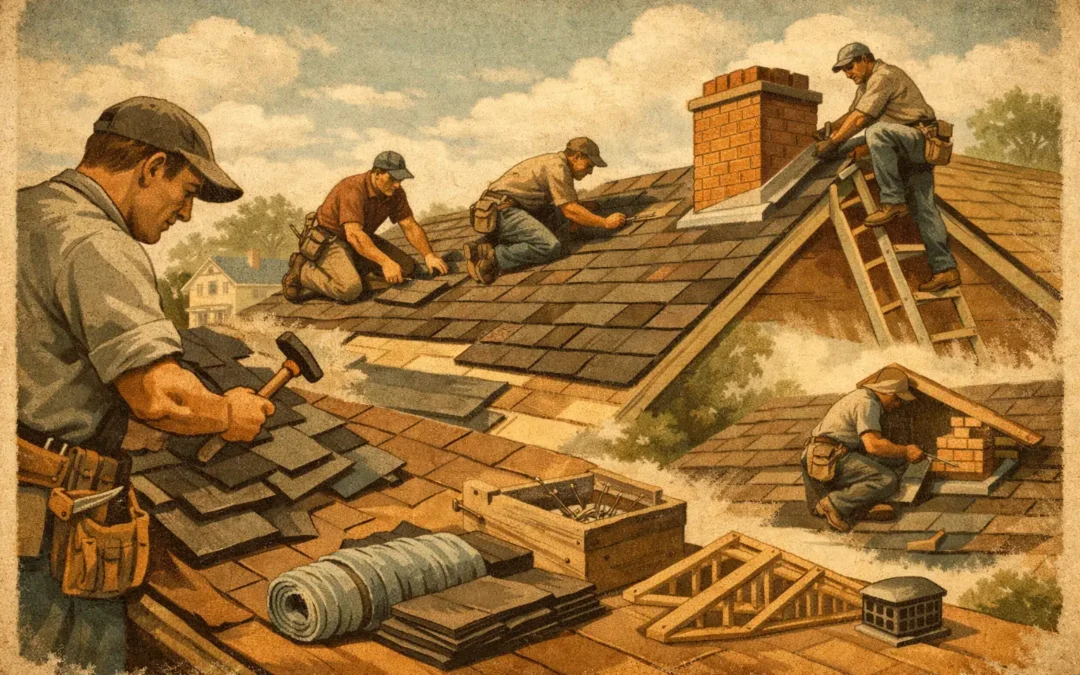
On most homes, roof replacement includes tearing off the old roofing materials down to the decking, inspecting the wood surface, replacing damaged decking as needed, installing underlayment, flashing, starter materials, shingles, ridge components, and ventilation pieces. It also typically includes basic site protection, debris removal, and a final cleanup.
That sounds simple on paper, but every part plays a role. A roof is a system, not a single product. If one piece is skipped or installed poorly, leaks and premature wear can show up long before the shingles themselves fail.
Tear-off and removal of old roofing
The first step is usually removing the existing shingles, felt, nails, and other worn roofing materials. This is often called a tear-off. If your home has multiple layers of old shingles, those layers may need to come off so the new roof can be installed on a sound surface.
A proper tear-off gives the contractor a chance to inspect what is underneath. It also helps the new roof perform the way it should. Installing over old materials may look cheaper up front, but it can hide damage, add unnecessary weight, and shorten the life of the new roof.
Good contractors also protect landscaping, windows, siding, and outdoor items during this stage. Roofing is messy work, and a careful crew plans for that before the first shingle comes off.
Decking inspection and wood replacement
Once the old materials are removed, the roof decking is exposed. This is the wood foundation that supports the roofing system. If there are soft spots, rot, water damage, or storm-related impact issues, those sections need to be replaced.
This is one of the biggest reasons final pricing can change from the original estimate. A contractor cannot always see hidden wood damage until the roof is opened up. Honest roofers explain that clearly before the job starts instead of surprising the homeowner later.
Not every roof needs a lot of decking replacement. Some need none at all. But if damaged wood is found, replacing it is not optional if you want the roof to last.
Underlayment and moisture protection
After the decking is confirmed sound, the next layer is underlayment. This material goes between the decking and the shingles and acts as a secondary barrier against moisture.
Depending on the roof and the product selected, this may be traditional felt or a newer synthetic underlayment. In vulnerable areas, contractors may also install ice and water shield or similar leak barrier products around valleys, penetrations, and other trouble spots.
This is one area where estimates can differ quite a bit. One contractor may include upgraded protection in key areas, while another may only include the minimum. If you are comparing bids, ask exactly what type of underlayment is being installed and where.
Flashing, valleys, and leak-prone areas
Flashing is the metal material installed around chimneys, walls, skylights, vents, and other roof penetrations. Its job is to direct water away from joints and openings. Valleys, where two roof slopes meet, also need careful treatment because they carry a lot of water during heavy rain.
If your current roof leaks around a chimney, pipe boot, or wall connection, the problem is often tied to flashing rather than the shingles alone. That is why a quality replacement should include inspecting and replacing flashing where needed, not just roofing over old problem spots.
Some flashing can be reused if it is in excellent condition, but that depends on age, fit, and local code requirements. In many cases, replacing it is the better long-term move.
Shingles and starter materials
This is the part most homeowners picture first. The visible roof covering, usually architectural asphalt shingles in North Texas, is installed after the protective layers and details are in place.
A roof replacement generally includes starter shingles along the edges, field shingles across the main roof areas, and ridge cap shingles at the peaks. These are different products with different purposes. Starter materials help resist wind uplift. Ridge caps finish the roof and protect the highest seams.
This is another place where details matter. Not all shingle systems are equal, and not all warranties mean the same thing. The right shingle for your home depends on your budget, your roof design, local weather exposure, and how long you plan to stay in the house.
Ventilation components
Proper attic ventilation is often part of a roof replacement, especially if the old roof had ventilation problems. That can include ridge vents, box vents, intake vents, or other components designed to help air move through the attic.
Why does this matter? Poor ventilation can trap heat and moisture, which can shorten shingle life, increase attic temperatures, and contribute to mold or wood deterioration over time. In Texas heat, that is not a small issue.
Sometimes the replacement includes improving the ventilation layout, not just swapping old vents for new ones. That depends on the home and attic design. A good roofer should point out if the current setup is hurting performance.
Pipe boots, drip edge, and other accessories
A complete roof replacement often includes smaller components that are easy to overlook but important to the system. Pipe boots seal plumbing vent pipes. Drip edge helps direct water off the roof edge and protects the fascia. Other accessories may include step flashing, counter flashing, and ventilation screens.
These items may not be the most expensive part of the job, but they matter. A roof can fail at the details long before the main shingle field wears out. When homeowners ask why one estimate is higher than another, this is often part of the answer.
Cleanup, haul-off, and property protection
Roof replacement should also include site cleanup and debris haul-off. Old shingles, nails, underlayment, and wood scraps have to go somewhere. A professional crew should use tarps, magnetic nail pickup tools, and a clear cleanup process to protect driveways, flower beds, lawns, and walkways.
This is one of those things homeowners remember long after the job is finished. A good roof should come with a clean yard, not a week of finding nails in the grass.
What may not be included
Not every estimate includes the same scope. Gutters, fascia repair, soffit repair, interior leak damage, chimney masonry work, and major structural carpentry are often priced separately unless clearly listed. Insurance-related upgrades, permit fees, and code-required changes can also vary depending on the job.
That is why the wording on the estimate matters. If a line item is missing, ask about it. Never assume a contractor included something just because it seems obvious.
What does roof replacement include after a storm?
After hail or wind damage, roof replacement may include a few extra steps beyond a standard aging-roof project. The contractor may document damage, meet with your insurance adjuster, identify code-related items, and help explain what is covered versus what falls outside the claim.
For homeowners in places like Mansfield, Midlothian, and the southern DFW area, this matters because storm claims can get complicated fast. The roof itself may be approved, but accessories, ventilation updates, or detached structures may need separate review. Clear communication saves a lot of frustration.
How to compare estimates the right way
If you are looking at more than one quote, compare scope before price. Ask what is being torn off, what underlayment is used, how much decking replacement is allowed for, whether flashing is replaced, what ventilation is included, and how cleanup is handled.
A lower number is not always a better value. Sometimes it just means more items have been left out. The best roofing contractors explain the work in plain language and do not make you guess what you are paying for.
A roof replacement should leave you with more than a new look from the street. It should give you a dry home, a stronger system, and confidence that the work under the shingles was done right the first time. If an estimate does not make that clear, keep asking questions until it does.