
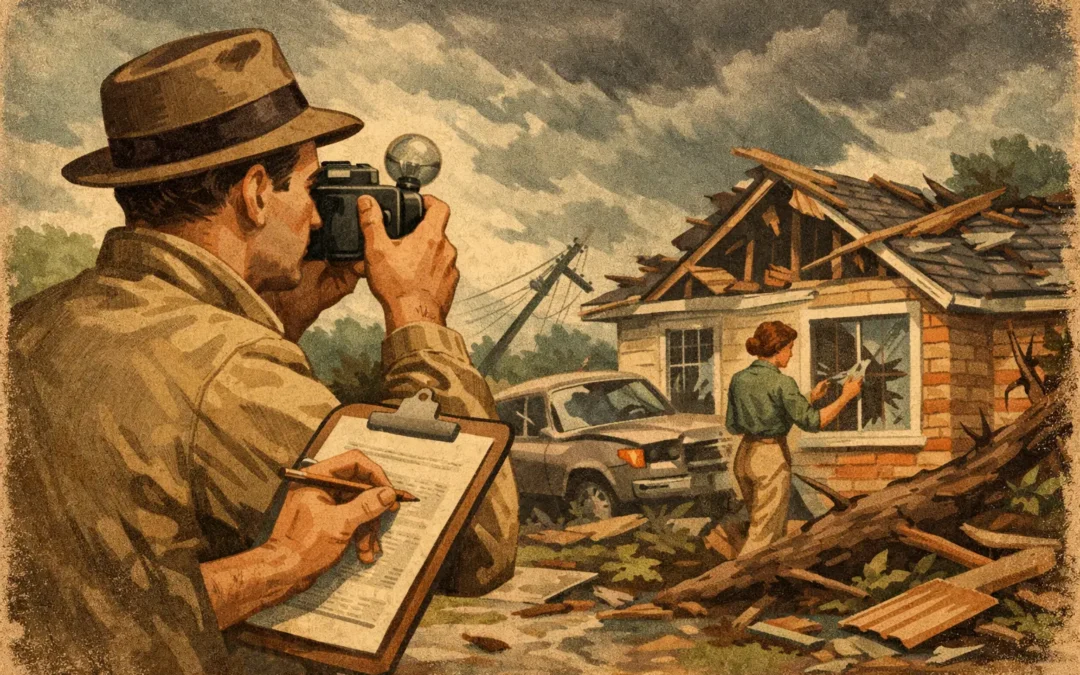
The morning after a North Texas storm, most homeowners notice the obvious first – fence panels down, branches in the yard, maybe water where it should not be. What often gets missed is the paper trail. If you are wondering how to document storm damage, the goal is simple: create a clear record before cleanup, temporary repairs, or memory gaps make the damage harder to prove.
That record matters for more than insurance. It helps your roofing contractor understand what happened, when it happened, and where the trouble started. It can also protect you from delays, low claim valuations, and disputes over whether the damage came from one storm event or long-term wear.
How to document storm damage before anything changes
Start as soon as it is safe. Safety comes first, especially around downed power lines, slick surfaces, broken glass, and sagging ceilings. If the area is not safe to enter, wait for professional help. Good documentation is valuable, but not worth an injury.
Once you can safely walk the property, take photos before moving debris or making repairs. That first condition is often the strongest evidence. Use your phone if that is what you have. You do not need professional equipment. What matters is that the photos are clear, dated, and wide enough to show context.
Begin with overview shots of the entire property from several angles. Then move closer. Photograph each slope of the roof that is visible from the ground, all gutters and downspouts, window screens, siding, garage doors, fencing, HVAC units, and any damaged outdoor structures. If hail hit, include photos of dents on soft metals such as vents, gutters, and metal flashing. Those details often help confirm the severity of the storm.
Inside the home, document ceiling stains, active leaks, wet insulation, peeling paint, warped drywall, and damaged flooring. If water traveled from one area to another, show that path in your photos. A single close-up of a stain is less useful than a sequence that shows the stain in the room, then the ceiling section above it, then any attic conditions nearby.
What your storm damage records should include
Photos are the backbone, but they should not stand alone. The stronger file includes notes, dates, and supporting details that tell a consistent story.
Write down the date and approximate time of the storm, along with what you observed. If hail was visible, note the size as best you can. If you heard wind-driven rain on one side of the house, mention that too. Keep your notes factual. You do not need to guess at roofing terms or argue the cause. Just describe what you saw and when you saw it.
It also helps to make a room-by-room and exterior-by-exterior list of damage. For example, note water stains in the upstairs hallway, broken fence pickets on the west side, or dented guttering above the garage. This keeps small items from getting overlooked later.
Save receipts for emergency purchases such as tarps, buckets, fans, or water extraction. If you pay for temporary repairs to prevent more damage, hold onto every invoice and take photos before and after the work. Insurance carriers often want proof that you acted reasonably to limit further loss.
If neighbors on your street had the same storm hit at the same time, that can support the timeline, but your claim still depends on your house. Focus first on your own documentation.
How to photograph roof damage without making things worse
This is where homeowners can create problems without meaning to. You do not need to climb on the roof to document damage, and in many cases, you should not. Wet shingles, steep slopes, soft decking, and hidden impact damage can make a roof unsafe.
Take everything you can from the ground. Use wide shots of each elevation and zoom in carefully where you see displaced shingles, missing ridge cap, lifted flashing, gutter damage, or debris impact. If you can safely access an upstairs window and get a better angle, that is fine. Just do not lean out or take chances.
For many homes, the best next step is to have a qualified roofing contractor perform a professional inspection. A trained roofer knows how to identify hail bruising, granule loss, creased shingles, punctures, flashing issues, and collateral damage that most homeowners will not catch. That matters because some storm damage is obvious, and some is subtle but still serious.
There is a balance here. You want enough documentation early, but you do not want to damage the roof further by walking it yourself. When in doubt, stay off the roof and document what you can from safe vantage points.
Temporary repairs are fine – undocumented repairs are not
If water is entering the home, quick action matters. Tarping an exposed section, placing buckets under a leak, or removing soaked items from harm’s way is common sense. Just document everything before you start.
Take photos of the damaged area as-is, then photos during the temporary fix, then photos after the fix is in place. Keep your receipts and write down who performed the work. If a contractor installs an emergency tarp, ask for an invoice that describes the service clearly.
This part trips people up because they are focused on stopping the leak, which makes sense. But if the only photos you have are after the tarp is up and the debris is gone, you lose some of the strongest proof of the original damage.
You should also avoid making permanent repairs before the damage has been properly inspected and, if applicable, reviewed by your insurance carrier. There are exceptions when the damage creates an immediate safety issue, but in most cases it is best to stabilize first and document thoroughly.
Common mistakes when documenting storm damage
The biggest mistake is waiting. Roof damage does not always announce itself with a major leak the same day. A storm can damage shingles, flashing, vents, and ridge components without obvious interior symptoms at first. If you wait weeks to look, weathering and cleanup can blur the evidence.
Another common mistake is taking only close-up photos. Close-ups matter, but they need context. An adjuster or contractor should be able to tell where on the property the damage occurred.
People also forget non-roof items that support the claim. Dented gutters, torn window screens, damaged chimney caps, and bruised soft metals can help show the storm’s force. These details often strengthen the overall picture.
Finally, some homeowners rely on memory instead of written notes. After a stressful storm, details fade quickly. A short note saved on your phone can be more useful than trying to reconstruct events two weeks later.
When to call a roofing contractor
If you see active leaking, missing shingles, fallen tree limbs on the roof, visible hail impact, or signs of water inside the home, call a roofing contractor early. The right contractor does more than give you a price. They help identify storm-related damage, document conditions professionally, and explain what needs immediate attention versus what can wait.
This is especially helpful with insurance claims. A contractor experienced in storm restoration can point out code-related items, accessory damage, and slope-by-slope issues that are easy to miss. That does not mean every roof needs full replacement. Sometimes the right answer is a targeted repair. It depends on the age of the roof, the extent of the storm damage, the repairability of the materials, and whether matching is realistic.
For homeowners in Mansfield and across the southern DFW area, having a local roofer inspect the property soon after a storm can save time and frustration. A contractor familiar with our weather patterns knows what hail and high wind typically do to North Texas roofing systems, and that local experience helps.
How to organize everything for a claim or repair decision
Keep one folder, digital or printed, with photos, notes, inspection reports, receipts, and any communication about the storm. Label photos by area if possible, such as front slope, backyard fence, master bedroom ceiling, or west gutter line. The more organized your file is, the easier it is to answer questions later.
If you speak with your insurance company, write down the date, the person you spoke with, and what was discussed. If an inspection is scheduled, make a note of it. If more damage appears after the first walkthrough, add it to the same file instead of starting over.
Good documentation does not guarantee a perfect claim outcome, and every situation is a little different. But it gives you a stronger footing. It helps honest contractors do better work, helps adjusters review the facts more clearly, and helps you make decisions with less guesswork.
After a storm, most people want normal life back as quickly as possible. That is understandable. Still, taking an extra hour to document the damage carefully can save you far more time, money, and stress down the road.