
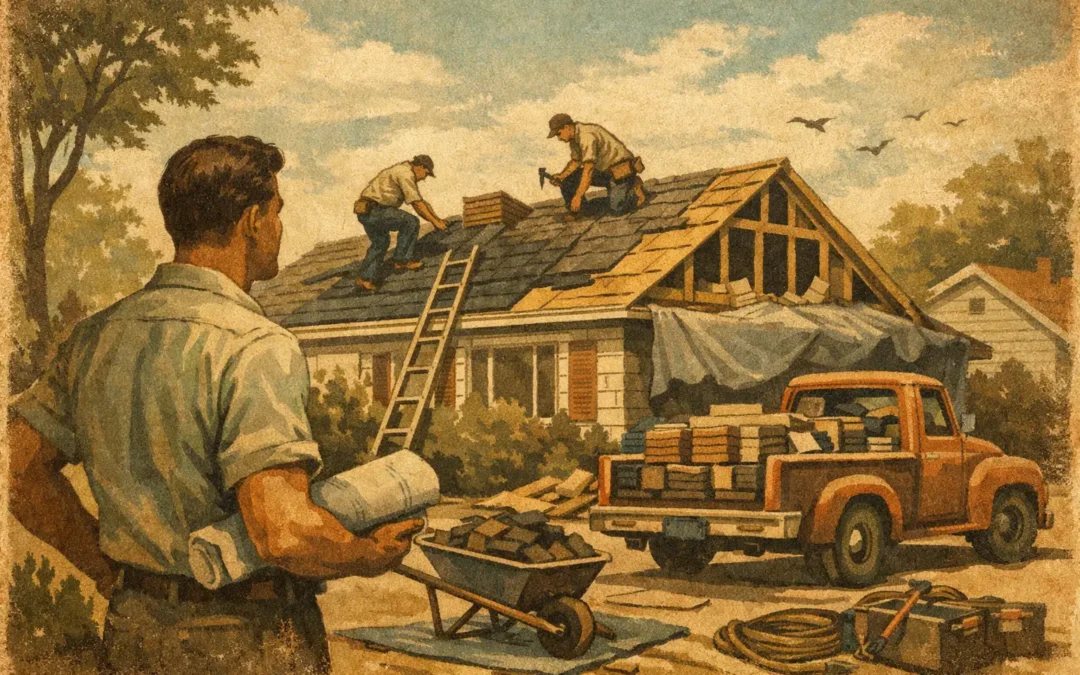
A roof replacement starts before the first shingle comes off. If you know the crew is coming next week, or you are still scheduling estimates, this is the right time to get your home, your yard, and your expectations in order. Knowing how to prepare for roof replacement can prevent avoidable damage, cut down on surprises, and make the entire job feel much more manageable.
For most homeowners, this is not a small purchase or a casual home project. It is noisy, it affects your daily routine, and it puts workers, materials, and equipment around one of your biggest investments. The good news is that a little preparation goes a long way.
How to Prepare for Roof Replacement Before Work Begins
The first step is confirming the scope of the job in plain language. Before materials are delivered, make sure you understand what is being replaced, whether damaged decking will be addressed if found, what type of underlayment and shingles are being installed, and how cleanup will be handled. A good contractor should be willing to walk through this with you without making you feel rushed.
This is also the time to ask about timing. Roof replacements can shift because of weather, crew availability, or material delivery. In North Texas, that matters. A clear schedule helps you plan for vehicle access, pets, work-from-home interruptions, and any special concerns around your property.
If your project involves storm damage or an insurance claim, get your paperwork organized early. Keep claim numbers, adjuster notes, approval documents, and contractor communications in one place. That makes decisions easier if questions come up once the old roof is removed. It also reduces the back-and-forth that can slow a project down.
Clear the Areas Around Your Home
One of the most overlooked parts of preparing for a roof replacement is the ground level. Roofing crews need space to work safely, and your property needs room for debris removal, material delivery, and cleanup.
Move vehicles out of the driveway and away from the house before the crew arrives. Roofers often use dump trailers, work trucks, ladders, and magnetic tools to collect nails. Keeping your vehicles at a distance protects them from dust, falling debris, and accidental damage.
Take a look at your patio, porch, and yard. Outdoor furniture, grills, potted plants, garden decor, and anything fragile should be moved away from the perimeter of the home. Even with careful crews and protective tarps, debris can fall farther than people expect.
If you have a fence gate that needs to stay unlocked for access, talk about that ahead of time. If you have landscaping you are especially concerned about, point it out before the job starts. Most experienced roofing contractors will do what they can to protect flower beds and shrubs, but some tight spaces are harder to work around than others. It is better to discuss those trade-offs early than assume everything can be avoided.
Protect the Inside of the House Too
Many homeowners focus on the yard and forget that roof work affects the inside as well. The hammering, footsteps, and vibration from tear-off and installation can travel through the structure.
Start with your attic if you have one. Dust and small debris can fall through gaps in the roof decking during the project, especially in older homes. If you store keepsakes, seasonal decorations, or furniture in the attic, cover them with sheets or plastic.
Inside the main living areas, remove or secure wall decorations, mirrors, and fragile items. If something is hanging loosely, roof vibration can knock it down. This is especially common with picture frames on upper-floor walls or shelves mounted near the ceiling.
If you work from home, plan for the noise. A roof replacement is not quiet work. Calls, video meetings, naps for small children, and overnight sleep for night-shift workers can all be affected. Some homeowners choose to spend part of the day elsewhere, especially during tear-off.
Make a Plan for Kids and Pets
Roof replacements create a lot of activity. Workers move quickly, tools are in use, and debris is coming off the roof throughout the day. That makes it a poor setup for curious kids and stressed pets.
Dogs often react strongly to roofing noise and unfamiliar people around the property. If your pet is prone to bolting, barking, or anxiety, it may be best to keep them inside in a quiet room or arrange for them to stay somewhere else during the loudest part of the work. The same goes for pets that need regular yard access. You may need a temporary plan while the crew is onsite.
With children, the main issue is safety. Dumpsters, ladders, tarps, and roofing materials can all look interesting, but they are not play areas. Set clear boundaries before work begins so there is no confusion once the crew arrives.
Prepare for Power, Access, and Communication
Roofing crews may need access to power outlets, gates, and specific parts of the property. Clarify those details ahead of time so the morning of the job does not turn into a scramble.
Make sure exterior outlets are working if the contractor expects to use them. Unlock side gates if needed, and ask whether someone must be home during the project. In many cases, a homeowner does not need to be present the entire time, but there should always be a reliable contact person available by phone.
Communication matters more than people think during a roof replacement. Ask who your main point of contact will be during the job. If there is a question about decking damage, ventilation changes, or unexpected repairs, you want to know who is calling and how quickly decisions need to be made.
This is one area where experience shows. A dependable contractor keeps homeowners informed without creating unnecessary stress. That is a big reason many property owners prefer working with an established local company instead of chasing the cheapest number on paper.
Understand What Might Change Mid-Project
Even well-planned roof replacements can uncover hidden issues. Rotten decking, poor ventilation, flashing problems, and damage from past repairs are common examples. Until the old roofing materials are removed, some conditions simply are not visible.
That does not mean you should expect the worst. It does mean you should be prepared for a few possibilities. Ask in advance how change orders are handled, how extra costs are approved, and whether photos will be provided if hidden damage is found.
The right mindset helps here. A roof replacement is not just about putting on new shingles. It is about making sure the system underneath can support and protect your home the way it should. Sometimes that means addressing issues you did not know were there.
After the Crew Leaves, Do a Final Walkthrough
Preparation does not end when the last shingle is nailed down. Once the work is complete, take time to walk the property with your contractor if possible.
Ask about cleanup, leftover materials, and what to watch for over the next few days. A professional crew should leave the site in good condition, but it is still smart to check flower beds, driveway edges, and lawn areas for stray debris. If you have children or pets, this step matters even more.
You should also ask about warranty coverage, maintenance recommendations, and any signs that would justify a follow-up call. A new roof is a major investment, and you should know what kind of support you can expect after installation.
For homeowners in Waxahachie and across the greater DFW area, weather can put roofing systems to the test in a hurry. Heat, hail, wind, and sudden storms do not give roofs much grace period. That is why preparation matters so much. When the contractor is organized and the homeowner is ready, the project tends to move faster, cleaner, and with fewer headaches.
If you are planning a roof replacement, take a little time now to prepare your space, your schedule, and your questions. A solid roof starts with good materials and good workmanship, but it also starts with a job that is set up the right way from day one.