
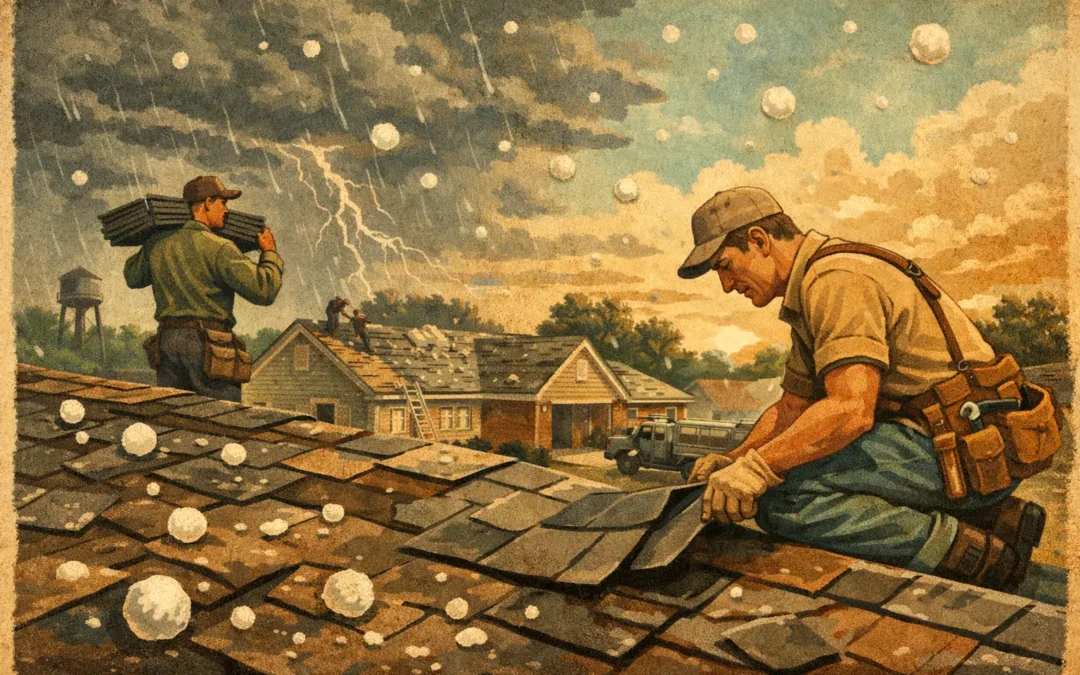
A North Texas hailstorm can leave your roof looking fine from the street while the real damage sits hidden in plain sight. That is what makes midlothian hail roof replacement such a stressful decision for homeowners. You may not see a leak right away, but bruised shingles, loosened granules, cracked seal strips, and compromised flashing can shorten the life of the whole system.
For many homeowners in Midlothian, the hardest part is not hearing that the roof has damage. It is figuring out whether the roof truly needs replacement, how quickly to act, and who to trust to do the work right. A roof is too expensive and too important to hand over to someone who treats it like a quick storm job.
When Midlothian hail roof replacement is the right call
Not every hail hit means a full replacement. Some roofs can be repaired if the damage is limited to a small section and the rest of the system still has solid life left. But hail does not always damage a roof evenly. One slope can take a direct beating while another gets very little impact, and that uneven wear can create long-term problems.
A full replacement usually makes sense when hail damage is widespread, when shingles are fractured or heavily bruised across multiple slopes, or when the roof was already older before the storm came through. If your roof was near the end of its service life, hail can push it past the point where spot repairs are worth the money.
There is also the issue of matching. On an older roof, replacement shingles may not blend well in color or profile, and repairs can leave a patchwork look that hurts curb appeal. More importantly, older surrounding shingles may be too brittle to handle repair work without further breakage. In those cases, replacing the full roof is often the cleaner and more dependable solution.
What hail damage really looks like
Homeowners often expect obvious holes or missing shingles. Sometimes that happens, but more often hail damage is subtler. Asphalt shingles may show dark impact spots where granules have been knocked away. The shingle mat beneath the surface can feel soft or bruised. Ridge caps, vents, gutters, flashing, and soft metals may also show dents that confirm storm impact.
That does not mean every mark on a roof is hail damage. Blistering, normal aging, foot traffic, and manufacturing wear can be mistaken for storm damage by inexperienced inspectors. This is one reason a careful evaluation matters. You need someone who understands the difference between storm damage and ordinary roof wear, because the recommendation should fit the roof you actually have, not the sale someone wants to make.
A trustworthy inspection also looks beyond shingles. Hail can affect pipe boots, roof vents, flashing around penetrations, skylight components, chimney areas, and even the underlayment if the storm was severe enough. A roof works as a system, and weak points around accessories often become leak sources long before the main field shingles fail.
Timing matters more than most people think
After a hailstorm, many homeowners wait because there is no visible interior leak. That is understandable, but delay can make things harder. A roof with compromised shingles may still shed water for a while, then begin leaking after the next round of wind and rain. By that point, what started as a roof problem can turn into stained ceilings, wet decking, insulation issues, and interior repairs.
Insurance timing can matter too. Claims generally have deadlines, and documentation is easier when damage is inspected closer to the storm date. Waiting too long can create disputes about whether the problem came from hail or from deferred maintenance.
That does not mean you should rush into signing with the first contractor who knocks on your door. It means you should get the roof inspected promptly, understand the extent of the damage, and make a clear plan. Fast action is smart. Hasty action is not.
What to expect during the replacement process
A good midlothian hail roof replacement should feel organized, not chaotic. It starts with a thorough inspection and a straightforward explanation of what was found. If storm damage is involved, many homeowners also need help understanding the insurance side of the job. That can include documenting damage, meeting with the adjuster, and reviewing the scope so nothing important gets overlooked.
Once the work is approved, the replacement itself should be handled with respect for your home. That means protecting landscaping, managing debris, keeping the site clean, and communicating clearly about schedule and weather delays. Homeowners should not have to chase down updates or guess what happens next.
The actual roofing work may involve more than just new shingles. Depending on the condition of the roof, the crew may need to replace damaged decking, install updated underlayment, address ventilation problems, replace flashing, or upgrade other components that affect long-term performance. This is where cheaper bids can become expensive later. If the estimate skips key materials or cuts corners on details, the roof may look fine at first and fail early.
Choosing the right contractor after a hailstorm
Storm season brings out a lot of roofing companies, including some that disappear as quickly as they arrived. That is why local track record matters. A contractor with deep roots in the area has to stand behind the work long after the storm-chasing crews move on.
Experience matters, but so does how that experience shows up in the job. Homeowners should expect honest answers, fair pricing, and no pressure to file a claim or replace a roof that can still be repaired. They should also expect a contractor who understands local weather patterns, common North Texas roofing issues, and the practical realities of working with insurance when storm damage is legitimate.
A dependable roofer will not promise what cannot be guaranteed. They will explain trade-offs. For example, architectural shingles may offer a stronger look and better durability than basic three-tab shingles, but budget, neighborhood requirements, and insurance scope can all affect the final decision. The right recommendation is the one that makes sense for your home, not the one with the biggest price tag.
For homeowners who want a contractor that takes ownership of the whole process, family-run companies often bring a different level of accountability. That local, hands-on approach is one reason many homeowners across the southern DFW area have continued to trust Accent Roofing for decades.
Insurance claims and real-world expectations
Insurance can help, but homeowners should go into the process with realistic expectations. Approval depends on documented storm damage, policy details, deductible amounts, and the carrier’s evaluation. A good contractor can help you understand the process, but no honest roofer should promise claim approval before the inspection and adjuster review are complete.
It also helps to know that insurance scopes are not always perfect on the first pass. Items can be missed. Measurements can be off. Accessory components may need to be added or clarified. This is where contractor communication matters. The goal is not to create conflict. It is to make sure the scope reflects the actual work needed to restore the roof properly.
Homeowners should also be careful with unusually low bids tied to insurance work. If one contractor’s number is much lower than the rest, ask what is missing. Sometimes it means fewer accessories, lower-grade materials, poor cleanup, or shortcuts in labor. A roof replacement after hail is not just an expense. It is an investment in how your home holds up during the next Texas storm.
How to know you are getting a roof built to last
The strongest roofing jobs are usually not the flashiest. They are the ones where the details were handled right from start to finish. That includes proper nailing, dependable flashing work, solid ventilation, clean material transitions, and a crew that respects the property as much as the roof itself.
Ask clear questions. Will damaged decking be replaced if found? How will the property be protected during tear-off? What kind of shingle system is being installed? Who manages communication if something changes during the job? Good contractors do not get defensive about those questions. They answer them.
A roof replacement should leave you with more than a better-looking house. It should leave you with confidence the next time hail hits Midlothian and the wind starts pushing rain sideways. That peace of mind comes from choosing a contractor who values honesty, workmanship, and follow-through as much as you do.
If you suspect hail damage, do not wait for a brown ceiling stain to tell you what your roof already knows. Get it inspected, ask direct questions, and make sure the next roof over your family is one you can count on.