
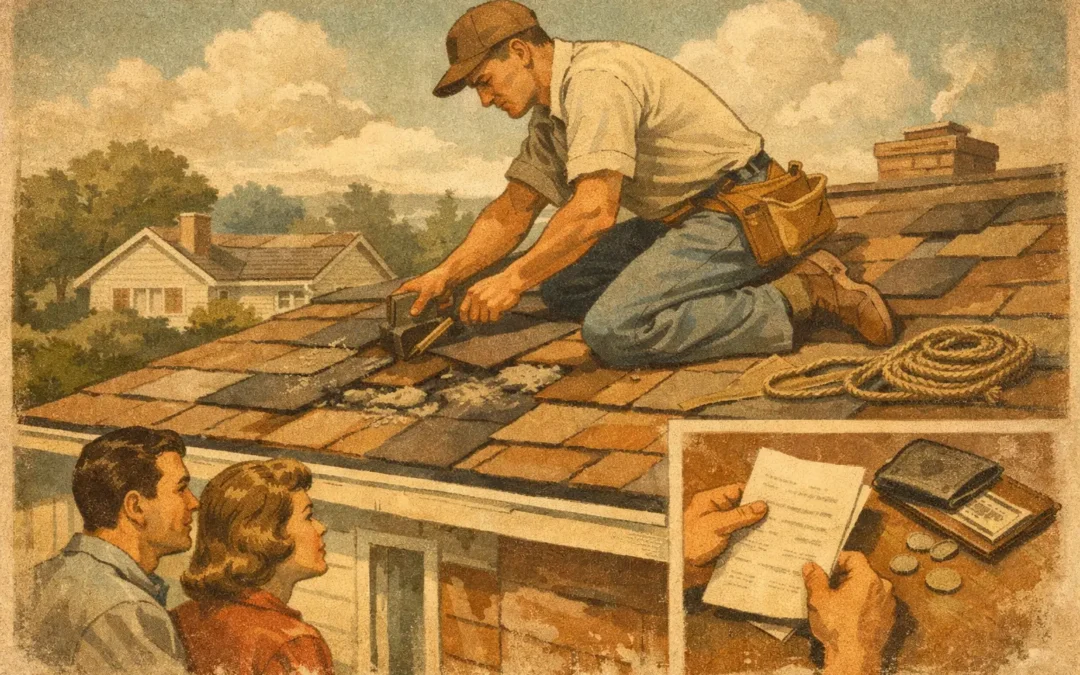
A small ceiling stain can turn into a much bigger bill if it sits too long. That is why roof repair cost matters so much to homeowners – not just because of the price itself, but because timing, material choice, and the cause of the damage can change what you end up paying.
Most people want one simple number. The honest answer is that roof repairs can range from a modest service call to a major structural fix, and the gap between those two is wide. A lifted shingle after a windstorm is one kind of repair. Widespread decking rot around a long-term leak is another.
What affects roof repair cost most?
The biggest factor is the extent of the damage. A repair that covers a small, easy-to-reach area will usually cost far less than one that involves hidden water intrusion, damaged underlayment, or framing concerns. Surface damage is typically cheaper to address than anything that has worked its way beneath the shingles.
Roofing material also matters. Standard asphalt shingle repairs are usually more straightforward than work on tile, metal, slate, or specialty roofing systems. If matching the existing roof is difficult, the price can climb even when the repair area is not especially large.
Pitch and accessibility play a role too. A steeper roof takes more time, more care, and more safety equipment. A one-story home with clear access is usually simpler to repair than a tall house with landscaping, fencing, or tight areas around the work zone.
Then there is the source of the problem. Storm damage, hail strikes, aging pipe boots, chimney flashing failure, missing shingles, poor past workmanship, and animal intrusion all create different repair paths. Two leaks may look similar from inside the home but require very different work once a roofer gets on the roof.
Typical roof repair cost ranges
For many homeowners, minor repairs fall into a lower price range when the issue is caught early. That might include replacing a few shingles, resealing flashing, fixing exposed fasteners, or addressing a small penetration issue around a vent.
Mid-range repairs often involve a larger affected area or more labor-intensive work. This could mean repairing a section of roof after storm damage, replacing damaged flashing around a chimney or valley, or correcting installation problems that are allowing water in.
Higher repair costs usually show up when the damage has spread beyond the outer roofing material. If water has reached the decking, fascia, soffits, or interior components, the repair becomes more than just a patch. At that point, labor, materials, and scope all increase.
A fair contractor will avoid guessing from the ground. Real pricing should come after an inspection that identifies what is damaged, what caused it, and whether the repair will solve the issue for the long term.
Roof repair cost by type of problem
Shingle damage is one of the most common repairs in North Texas. Wind can crease, lift, or remove shingles, and hail can bruise them in ways that shorten their life even if the leak has not started yet. These repairs are often manageable if the affected section is limited and the surrounding roof is still in good condition.
Flashing repairs can be a little more deceptive. Flashing around chimneys, walls, skylights, and roof penetrations is where many leaks begin. The repair may not look large, but it takes careful work to stop the leak without creating another weak point nearby.
Pipe boot failure is another frequent issue, especially on older roofs. The rubber around plumbing vents breaks down over time under Texas heat and sun exposure. This type of repair is often more affordable than major leak work, but it can cause interior damage if ignored.
Decking replacement changes the conversation fast. Once moisture softens the wood beneath the roof covering, the repair becomes more involved. At that stage, the roof system is no longer just weathered – it is compromised.
Why cheap roof repairs often cost more later
Homeowners are right to watch their budget. But the lowest bid is not always the lowest cost over time. A quick patch over the visible problem may stop water for a short while, but if the root cause is still there, the leak usually comes back.
That is especially true after storms. We have seen roofs where a small repair was attempted after hail or wind damage, only for the homeowner to face a much larger issue months later. Water has a way of finding the weak spots, and once it gets inside, drywall, insulation, trim, and flooring can all become part of the bill.
A proper repair should answer two questions. What failed, and why did it fail? If a contractor cannot clearly explain both, you may not be getting a lasting fix.
When a repair makes sense and when it does not
Not every damaged roof needs to be replaced. If the roof is generally in solid condition and the issue is isolated, a repair is often the smart move. It protects the home, controls cost, and can add years of service life.
But there are times when a repair is no longer the practical option. If the roof is near the end of its lifespan, if damage is widespread, or if multiple past repairs have already been made, putting more money into it may not serve the homeowner well. In those cases, a reputable roofer should say so plainly.
This is where experience matters. A trustworthy contractor does not push replacement when a repair will do, and does not recommend a repair when replacement is the more responsible answer. That kind of honesty is what homeowners remember.
Storm damage and insurance claims
In parts of Texas, storm activity can affect roof repair cost in a big way. If damage was caused by hail or wind, insurance may cover some or all of the work depending on the policy and the scope of loss. That does not mean every roof issue is claim-worthy, but it does mean the roof should be inspected before a homeowner pays out of pocket too quickly.
Documentation matters here. Clear photos, a detailed inspection, and a contractor who understands claim-related roofing damage can make the process less stressful. The goal is not to force a claim that does not belong. The goal is to make sure legitimate storm damage is identified correctly.
That support can be especially valuable for homeowners who have never dealt with roof damage before. A good contractor helps you understand what the insurance company is looking for and what your roof actually needs.
How to keep roof repair cost from climbing
The best way to control cost is to act early. A small leak, a few missing shingles, or staining around a vent may not feel urgent on a sunny day, but roofing problems rarely stay small for long. Moisture spreads, materials weaken, and repair scopes grow.
Routine inspections help, especially after major storms or on older roofs. Even if there is no visible leak inside, damage on the roof can still be developing. Catching issues before they reach the decking or interior is usually where homeowners save the most money.
It also helps to work with a contractor who gives clear recommendations instead of vague estimates. You should know what is being repaired, why it failed, and whether there are signs of larger wear that could affect future decisions.
Choosing the right roofer for the job
Roof repair pricing is only part of the decision. Homeowners also need confidence that the crew will show up, protect the property, communicate clearly, and stand behind the work. That matters even more when the repair involves leak tracing, storm damage, or insurance coordination.
Look for a local company with a long track record, real customer reviews, and a reputation for fair dealing. In communities like Mansfield, Midlothian, and the surrounding southern DFW area, that local accountability still means something. When a contractor has been serving families for decades, there is more on the line than just one invoice.
Accent Roofing has built its reputation that way – through honest inspections, dependable workmanship, and straightforward communication. That is what many homeowners want most when a roof problem shows up unexpectedly.
If you are worried about a leak, storm damage, or visible wear, the smartest next step is usually not guessing the price from online averages. It is having the roof inspected by someone who will tell you the truth about what needs attention now and what can wait.